Have you ever held a glass of wine in your hand and wondered how to taste it "properly"? Good news: wine tasting isn't just for sommeliers. In five simple steps, you can learn to fully appreciate every wine, whether modest or prestigious.
In less than two minutes, you'll know :
- How to observe, smell and taste a wine.
- What mistakes to avoid to make rapid progress.
- How to turn a simple sip into a true sensory experience.
Are you ready? Follow the guide.
Observe the wine: its colour
Before even smelling or tasting, start by looking at the wine.
- Tilt your glass slightly against the white background.
- Observe color, intensity and clarity.
A wine's color is much more than just a color. It is the first visual clue to its age, style and even ageing potential:
- A crimson red often indicates a young wine.
- A tiled red is more indicative of an evolved wine.
Smelling wine: the first nose
A wine's nose is essential to understanding its aromas.
- Without shaking the glass, inhale gently: this is the first nose.
- You'll already perceive fruity, floral or vegetal notes.
Tip: don't try to name specific aromas just yet. Concentrate on the main families: red fruits, spices, flowers, minerals...
Airing the wine: the second nose
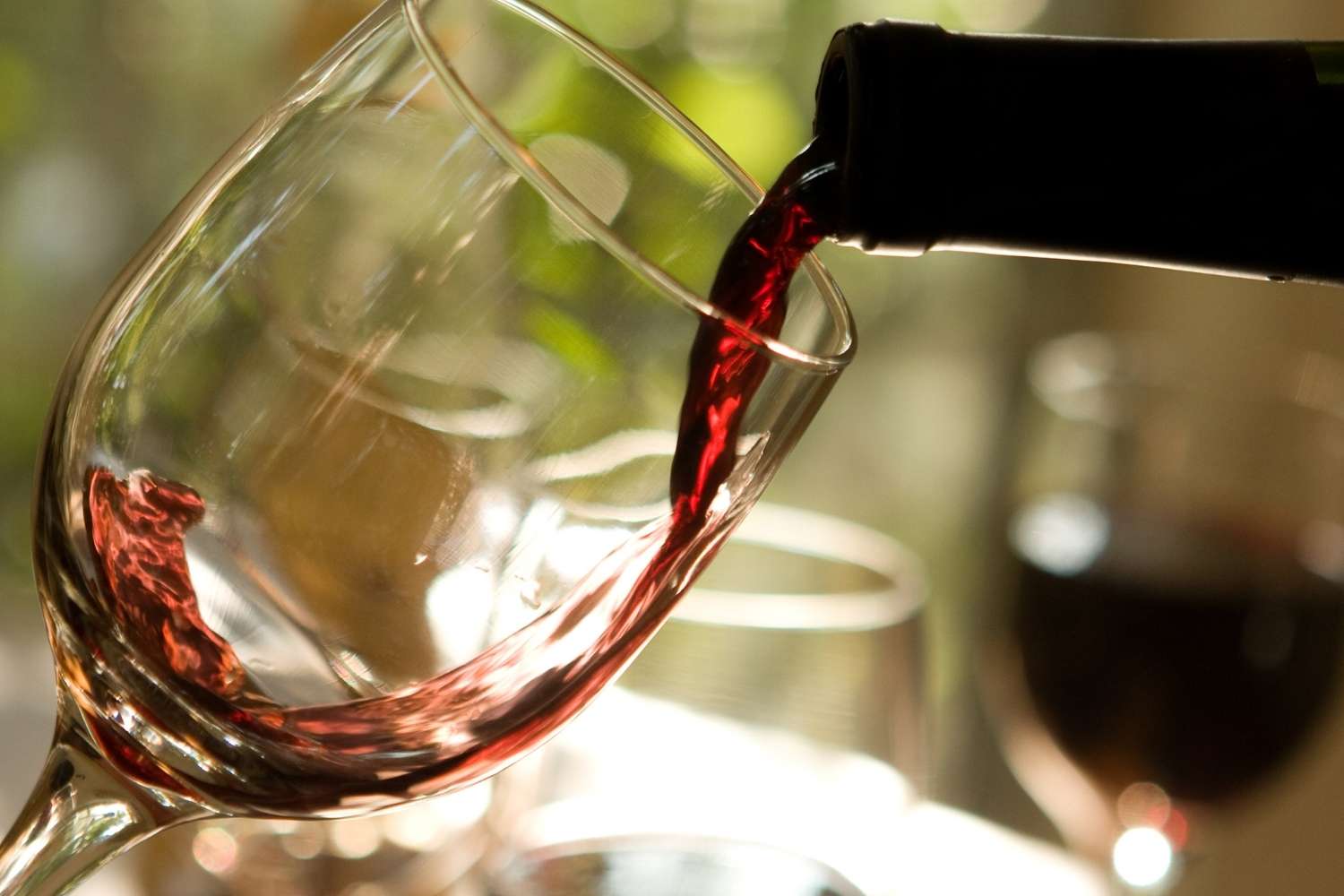
Gently swirl the glass to oxygenate the wine. This step releases the more complex aromas.
- Younger wines reveal more fruit.
- Aged wines offer tertiary notes (leather, undergrowth, tobacco).
Comparing the first and second noses helps you measure aromatic richness.
Taste the wine: attack, middle and finish
The mouth is divided into three stages:
- The attack: the first impression, often linked to sugar and acidity.
- Mid-palate: structure, balance between tannins, alcohol and freshness.
- The finish: length in the mouth, i.e. the time it takes for the aromas to linger.
"A great wine can be recognized by its aromatic persistence. - Michel Bettane, wine critic
This remark highlights an essential tasting criterion: length on the palate. This persistence is not only a guarantee of quality, it also reflects the wine's balance, the maturity of the grapes and the winemaker's know-how.
Assessing wine balance
A harmonious wine is never the fruit of chance: it's the result of a subtle balance between several components.
| Element | Too weak | Too strong | Ideal balance |
|---|---|---|---|
| Acidity | Flat, soft | Aggressive, biting | Lively freshness |
| Tannins | Lightweight, structureless | Dry, astringent | Fine structure |
| Alcohol | Slim, not round | Excessive heat | Flexible roundness |
| Aromas | Not very expressive | Too strong, disgusting | Net complexity |
Record and save your impressions
Tasting improves with practice. Get into the habit of noting :
- The dress.
- Aromas on the nose.
- Balance on the palate.
- The length of the finish.
A tasting notebook is ideal for tracking your progress and refining your vocabulary.
Mastering tasting: what you need to know
Wine tasting is based on five simple steps: observe, smell, aerate, taste and evaluate. By following this method, you'll turn every glass into an enriching experience.