Organizing a wine tasting with friends is not just an excuse to share a good bottle. It is a sensory, cultural, and convivial experience. Whether you are a passionate enthusiast or a curious beginner, this guide will help you create an unforgettable moment while following the best practices of a professional tasting.
Why organize a wine tasting with friends?
Before planning, it is essential to understand the purpose of a tasting. Are your guests looking to discover new wines, learn how to recognize aromas, or simply enjoy a convivial moment? Identifying this intention will allow you to choose the right wines, food pairings, and format.
A well-planned tasting encourages discussion and the sharing of experiences. According to a study by the French Institute of Vine and Wine, small group tastings enhance sensory learning and the memorization of aromas.
Define the theme and wine selection
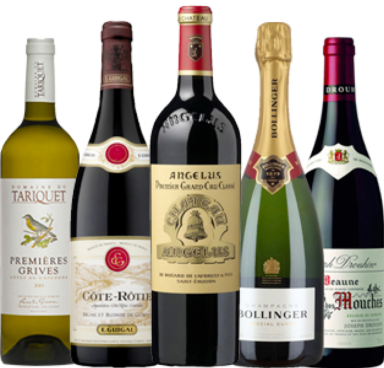
The choice of wines is crucial to the success of your tasting. A theme helps guide your guests and makes the experience more immersive. Here are a few ideas:
- By grape variety: compare a Pinot Noir from Burgundy with a Pinot Noirfrom Alsace.
- By region: explore wines from Bordeaux, the Rhône Valley, or Languedoc.
- By vintage: understanding how a wine evolves over time.
- By style: light red wines vs. full-bodied reds, dry whites vs. sweet whites.
Be sure to limit the number of wines so as not to overwhelm the taste buds: 4 to 6 bottles are enough for an evening lasting 2 to 3 hours.
Prepare the space and materials
A successful tasting depends on the right setting. Here is the equipment you will need:
- Suitable wine glasses: one glass per wine, ideally tulip or balloon shaped.
- Carafes and decanters: for aerating young red wines or wines with high tannin content.
- Spit bucket: a small bucket for spitting out wine if necessary, especially during long tastings.
- Notepad and pens: to record impressions and aromas perceived.
The location should be bright, quiet, and neutral in terms of smell. Avoid rooms with strong scents or foods with strong odors.
The stages of tasting
- Observation: Look at the wine's color and clarity. This provides clues about its age, grape variety, and intensity.
- Nose: smell the wine before and after aeration. Try to identify the primary (fruity), secondary (fermentation), and tertiary (aging) aromas.
- Tasting: take a small sip, swirl the wine around your mouth and note your impressions: acidity, sweetness, body, tannins, length on the palate.
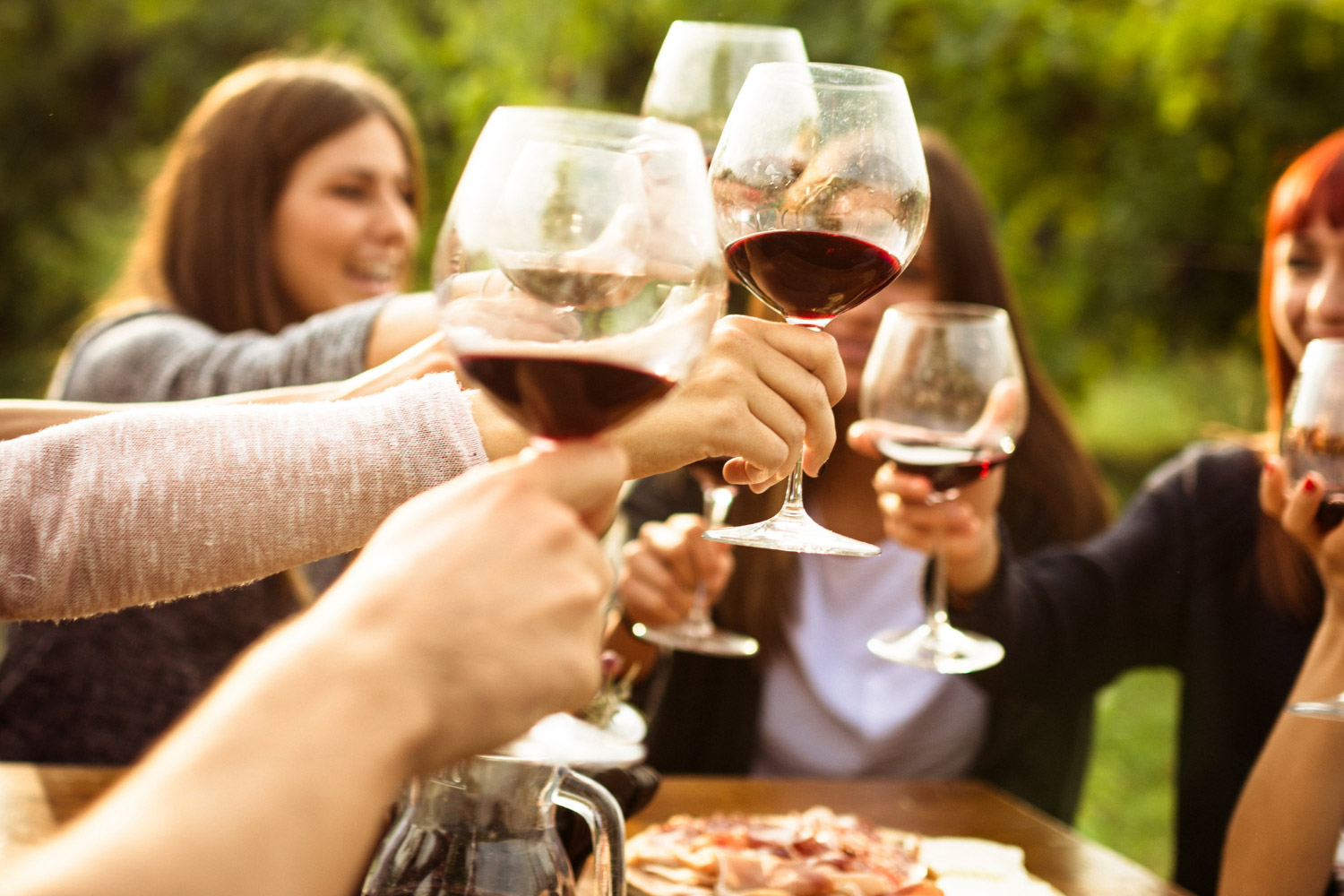
- Discussion and sharing: Encourage your guests to share their feelings. The goal is not to find the "right" answer, but to compare perceptions.
Food and wine pairings to enhance the experience
Pairings enhance the tasting experience and create a gourmet moment. Here are a few ideas:
- Dry white wines → seafood, grilled fish.
- Light red wines → cold cuts, white meats.
- Full-bodied red wines → game, mature cheeses.
- Sweet wines → fruit-based desserts, white chocolate.
For a "wow" effect, you can prepare a tasting board with different cheeses, breads, and fruits.
Making tasting interactive
- Blind tasting: hide the labels to guess the grape variety or region.
- Aroma games: ask guests to identify spices, fruits, or flowers.
- Group ranking: each participant rates the wines and preferences are revealed at the end.
These techniques increase engagement and sensory learning.
Tips for a memorable tasting experience
- Ideal temperature: 8–12°C for whites, 15–18°C for reds.
- Avoid excessive alcohol consumption: limit quantities to 50 ml per wine if the tasting is long.
- Take breaks: offer water and plain bread to cleanse the palate.
- Take photos and notes: participants will be able to keep a record and remember their discoveries.
FAQ: Frequently asked questions
How many bottles of wine should I plan for each person?
Four to six wines are sufficient for a two- to three-hour tasting session.
Should red wines always be served after white wines?
Yes, more powerful reds can dominate whites if served first.
Can we organize a blind tasting?
Absolutely, it is even recommended in order to compare wines without bias.
Keys to a successful and enjoyable tasting
Organizing a successful wine tasting with friends requires a little preparation, but it's well worth the effort. Choosing a clear theme, preparing the space and equipment, guiding your guests step by step, and offering delicious food pairings are all key to transforming a simple evening into a sensory and convivial experience.
With these tips, you will be able to create memorable moments while sharing your passion for wine. And remember: every tasting is a unique adventure, so let your curiosity and conviviality guide you!