The basics of tasting
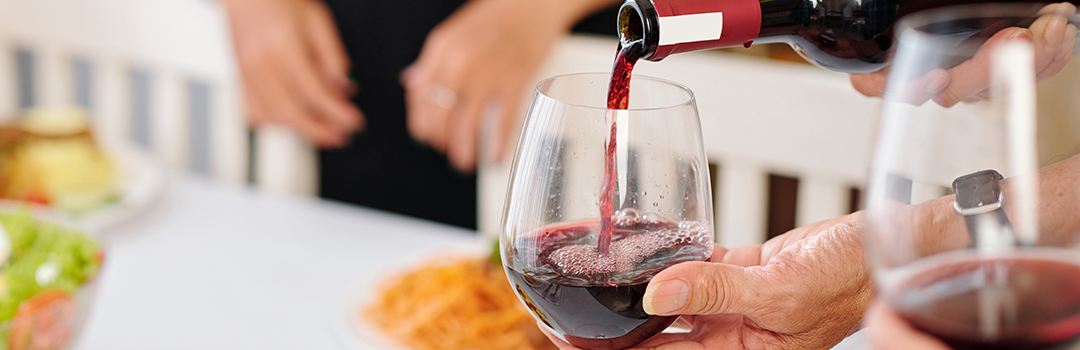
Learn to analyze a wine's color, identify its aromatic bouquet and describe its flavors on the palate. Understanding the acidity, sugar, tannin and overall balance of a cuvée will help you better appreciate each wine. These essential tasting steps will help you recognize the nuances specific to each terroir and grape variety, and develop your palate to identify the subtleties of red, white and rosé wines.
The right accessories
Discover which glasses to choose according to the type of wine and why the choice of glass influences the perception of aromas. Learn how a decanter can reveal the full richness of a young wine or a great vintage. The essential accessories - corkscrew, thermometer, decanter and matching glasses - enhance your experience and guarantee optimal tasting for every occasion.
Methods and tips
Refine your senses with simple exercises in blind tasting, olfactory memorization and aromatic association. Enrich your gustatory vocabulary to describe flavors more precisely and develop a complete sensory approach. These methods will enable you to taste with greater accuracy and confidence, while discovering the subtleties of different grape varieties and wine styles.
Practical tips
Learn how to serve your bottles at the ideal temperature according to their type, how to store your wines in optimal conditions and how to respect the essential gestures for a successful tasting. From uncorking to the last sip, mastering these techniques guarantees a harmonious and tasty experience, whether you're an amateur or a connoisseur.