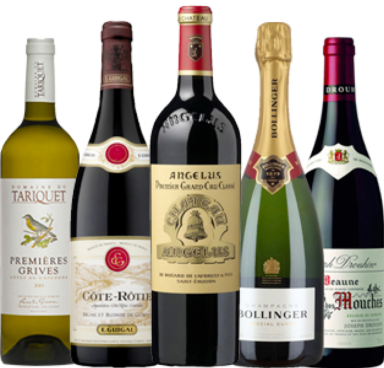
The holiday season is often synonymous with bubbles and celebrations. Choosing the right champagne can transform a simple meal into an unforgettable moment. But with so many options available, how do you select the best champagnes for the holidays? This article will guide you through the different types of champagne and the criteria for choosing them, and offer selections suited to every festive occasion.
Understanding the different types of champagne
Before choosing, it is essential to know the main types of champagne:
- Brut: the most classic, dry and lively, ideal for aperitifs or light meals.
- Demi-Sec: slightly sweet, perfect with desserts or chocolates.
- Rosé: elegant and fruity, it brings color and finesse to your festive tables.
- Vintage: produced from a single exceptional harvest, it is more complex and should be savored slowly.
The dosage (amount of sugar) and aging greatly influence the taste. Discerning connoisseurs often prefer well-balanced champagnes, where freshness is combined with subtle aromas of fruit and brioche.
Criteria for choosing champagne for the holidays
When selecting a champagne, several factors should be considered:
- Quality vs. price: A grand cru is not always necessary. Many wineries offer excellent value for money for the holidays.
- Champagne house: The reputation and history of the house influence quality. Some major houses are synonymous with elegance, while lesser-known producers offer surprising vintages.
- Vintage and aging: Vintage champagnes offer complexity and depth, ideal for a refined dinner. Non-vintage champagnes remain perfect for an aperitif or a group toast.
Champagne selections by occasion
Every festive occasion deserves the right champagne:
- New Year's Eve: opt for a Brut or a Vintage, ideal for midnight toasts.
- Christmas and family meals: a Rosé or Demi-Sec wine is the perfect accompaniment to foie gras, poultry, or fruit desserts.
- Refined gifts: choose prestigious vintages, often vintage wines, presented in an elegant box.
- A small gathering of friends: a Brut or Blanc de Blancs offers conviviality and shared pleasure without breaking the bank.
The must-visit champagne houses
Some houses have become global benchmarks:
- Moët & Chandon : fruity and accessible style, perfect for the general public.
- Veuve Clicquot : renowned for its balance and finesse, ideal for Christmas.
- Bollinger : powerful and complex, excellent for discerning connoisseurs.
But there are also lesser-known houses offering organic or sustainable champagnes, which have been booming in recent years and are perfect for those seeking originality and quality.
Food and champagne pairings
A good champagne should also be chosen to complement the food:
- Appetizers and starters: Brut or Blanc de Blancs to accompany oysters, smoked salmon, or hors d'oeuvres.
- Main courses: Demi-Sec or Millésimé for poultry, foie gras, or refined festive dishes.
- Desserts: Rosé or Demi-Sec for chocolates, fruit tarts, or Yule logs.
Tip: A well-balanced champagne pairs well with almost any dish, but the best pairings bring out the flavors.
Comparative table of the best champagnes for the holidays
| Name / House | Type | Recommended retail price | Ideal opportunity / Agreement |
|---|---|---|---|
| Moët & Chandon Brut | Gross | $40–$50 | New Year's Eve, aperitif |
| Veuve Clicquot Brut Rosé | Rosé | $55–$60 | Christmas, family dinner |
| Bollinger Special Cuvée | Gross | $50–$55 | Gift, fine dining |
| Ruinart Blanc de Blancs | White of Whites | $100–$120 | Small gathering, toast |
Practical tips for serving and storing champagne
- Ideal temperature: 8-10°C for a Brut, 6-8°C for a Rosé or Demi-Sec.
- Serving and presentation: flutes or tulip glasses to concentrate the aromas, festive decoration with ice cubes or red berries if desired.
- Storage after opening: store in a cool place with an airtight lid to preserve the bubbles for 1 to 2 days.
FAQ for champagne lovers during the holidays
Which champagne for a limited budget?
Opt for a non-vintage Brut from a renowned house or a cuvée from a lesser-known producer.
What is the difference between a Brut and a Millésimé?
Brut is often young and fresh, while Millésimé is more complex and comes from a single exceptional harvest.
Can cocktails be made with high-quality champagne?
Yes, cocktails such as Kir Royal or Bellini work very well, but choose an affordable champagne for mixing.
Conclusion: choosing the best champagne for your celebrations
For successful end-of-year celebrations, choosing the right champagne is crucial. Understanding the different types, knowing the selection criteria, choosing the right brand, and adapting your choice to the occasion will help you make every moment special. Whether it's for Christmas, New Year's Eve, or a sophisticated gift, there's a perfect champagne for every table. Get your flutes ready, raise a toast, and enjoy exceptional bubbles with your loved ones!