Wine origins
Wine has accompanied mankind for millennia. Its earliest traces date back to Mesopotamia and the Caucasus, where wild vines were domesticated. Over the centuries, Greek and Roman civilizations perfected winemaking techniques and encouraged its spread across Europe. Understanding these origins enables us to better appreciate the profound link between wine, culture and human history.
History of vineyards
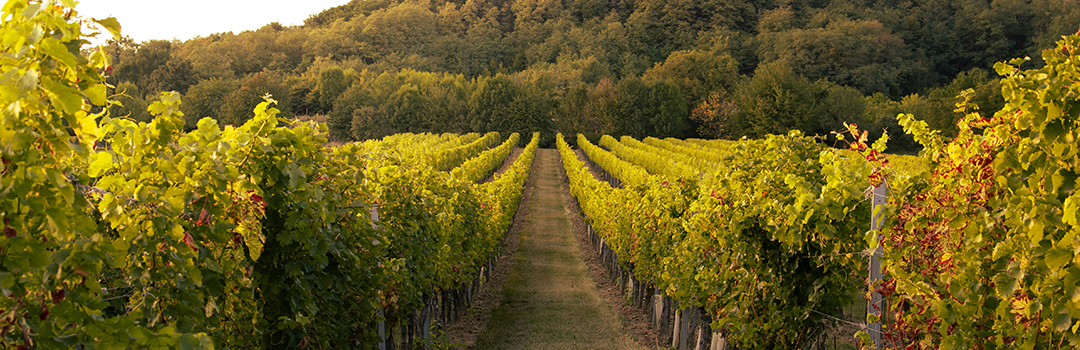
Vineyards have shaped the landscapes and economies of many regions. Some emblematic estates have existed for centuries, preserving unique traditions while integrating modern techniques. Studying the history of vineyards reveals the evolution of grape varieties, growing practices and production methods, as well as the influence of climate and terroir on wine quality.
Appellations and regions
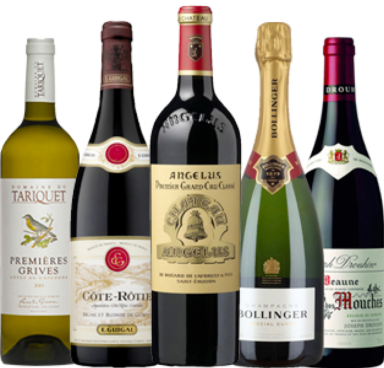
Each appellation and region tells its own story. From the famous vineyards of Bordeaux to the lesser-known terroirs of the Rhone Valley or Burgundy, each place has its own specific characteristics. Soil, climate and local know-how shape the personality of each wine. This section presents the major appellations and explains how terroir influences wine aroma, style and reputation.
General wine culture
Wine is not just about tasting, it's also about fascinating traditions and anecdotes. Learn more about the historical uses of wine, wine festivals, rituals and oenological practices. This knowledge enriches your general culture and enables you to approach wine with curiosity and understanding, whether it's a dinner party or a personal collection.
Wine heritage
Wine leaves a lasting imprint on our cultural heritage. Châteaux, museums, historic cellars and dedicated events celebrate this heritage. Visiting these places and taking part in these events allows you to understand the history, craftsmanship and cultural richness linked to wine, while discovering preserved traditions and unique know-how through time.