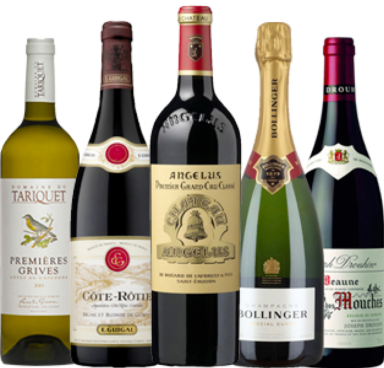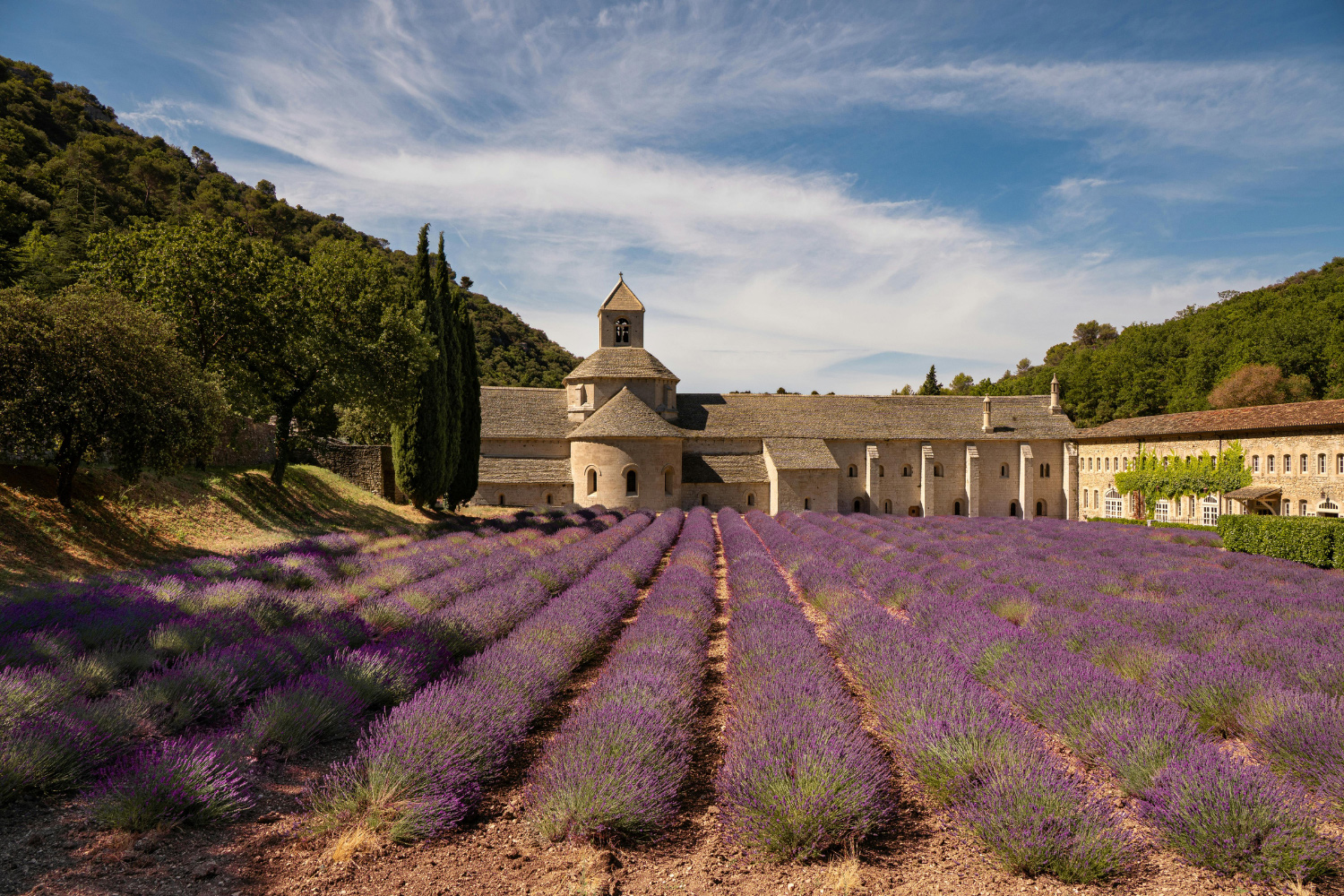
Europe abounds in hidden treasures where history, architecture and wine meet. Among them, winegrowing abbeys offer a unique experience for wine lovers and heritage enthusiasts alike. To visit these places is to plunge into centuries of monastic tradition, discover exceptional grape varieties and taste wines that few have the chance to sample. In this article, we present the top 10 wine abbeys to visit in Europe, with practical advice and tips on how to make the most of your wine journey.
Why visit a winegrowing abbey in Europe?
History and tradition of monastic vineyards
European abbeys are often the origin of some of the world's oldest vineyards. Monks cultivated vines for centuries, perfecting cultivation and vinification methods that continue to this day. Visit these sites and discover the fascinating history of wine, from medieval cellars to modern wineries.
A unique wine experience
Each abbey offers a different experience: rare wine tastings, guided tours of the cellars, wine workshops or even on-site accommodation. You can enjoy a wine by learning about its history, and understand how terroir and climate influence each bottle.
Practical tips for organizing your visit
- Check visiting times and periods, as some abbeys close in winter.
- Book tastings in advance to guarantee a complete experience.
- Allow time to explore the gardens and architecture, which are often just as impressive as the cellars.
Top 10 European winegrowing abbeys
1. Cluny Abbey in France
Located in Burgundy, Cluny Abbey is a symbol of medieval religious power. Its vineyards produce exceptional red and white wines. The tour includes majestic ruins, historic cellars and tastings guided by local experts. Best period: May to September.
2. Saint-Émilion Abbey in France
Saint-Émilion is famous for its red wine and its medieval village. The abbey offers a comprehensive overview of the history of Bordeaux wine. Visitors can take part in tasting workshops and buy local vintages direct. Tip: combine the visit with a stroll through the surrounding vineyards.
3. Melk Abbey in Austria
Perched on the Danube, Melk Abbey is a Baroque masterpiece. Its vineyards produce mainly Grüner Veltliner and Riesling. Visitors can explore the cellars and enjoy a wine tasting accompanied by local specialities.
4. Heiligenkreuz Abbey in Austria
Founded in the 12th century, Heiligenkreuz boasts historic vineyards where Pinot Noir and Riesling are grown. The guided tour includes a presentation of traditional and modern winemaking techniques.
5. Montecassino Abbey in Italy
Montecassino is one of Italy's most famous abbeys. It produces full-bodied red wines and aromatic whites. Visitors will discover the abbey's fascinating history, from its reconstruction after the Second World War to its present-day viticulture.
6. Novacella Abbey in Italy
Located in the South Tyrol region, Novacella combines religious heritage and oenology. The monks cultivate indigenous grape varieties, and the winery offers guided tastings of Italian wines. An ideal experience for understanding Alpine wines.
7. Maria Laach Abbey in Germany
Maria Laach is renowned for its Romanesque architecture and its winegrowing abbey. The monks produce mainly Rieslings and Pinot Blancs. The tour includes a stroll through the garden and a tasting of handcrafted wines.
8. Weltenburg Abbey in Germany
On the banks of the Danube, Weltenburg combines beer and historic winemaking. Visitors can explore the monastic cellar, taste local wines and enjoy exceptional views of the river. Ideal for a wine and culture trip.
9. Westminster Abbey in the United Kingdom
Although best known for its religious and historical role, Westminster has also developed a small urban vineyard. Tastings focus on modern, innovative English vintages, perfect for those wishing to discover British wine.
10. Tewkesbury Abbey in the United Kingdom
This medieval abbey produces red and white wine in its gardens. The tour includes an immersion in monastic life and a guided tasting of local wines, with explanations of sustainable winemaking methods.
Tips to make the most of your visit
Best times of year
Visits are often more enjoyable in spring and autumn, when the vineyards are in bloom or harvesting. Some abbeys close in winter.
Combining wine and cultural tourism
Allow time to explore the architecture, gardens and exhibitions. Abbeys often offer complete experiences combining culture and wine.
Responsible tasting and purchase of local wines
Taste in moderation and take the opportunity to buy rare vintages direct from the source. This supports the abbeys and guarantees the authenticity of the wine.
FAQ - Frequently asked questions
Do I need to book in advance?
Reservations are recommended, especially for guided tastings and tours of historic cellars.
Which abbeys are open to foreign visitors?
All the abbeys listed welcome tourists, but some may require special reservations for international groups.
Conclusion
A visit to one of Europe's winegrowing abbeys combines history, architecture and a passion for wine. From the medieval charm of Cluny to the Alpine vineyards of Novacella, each abbey offers a unique experience. Plan your trip, book your tastings and let yourself be carried away by the magic of these timeless places. To extend the experience, download our complete guide to European winegrowing abbeys and discover even more oenological treasures.