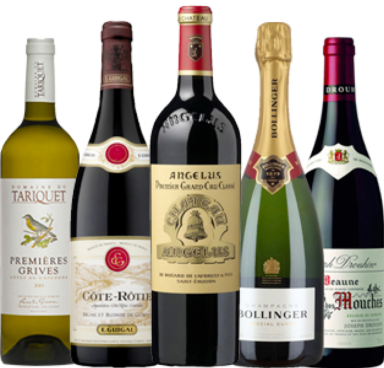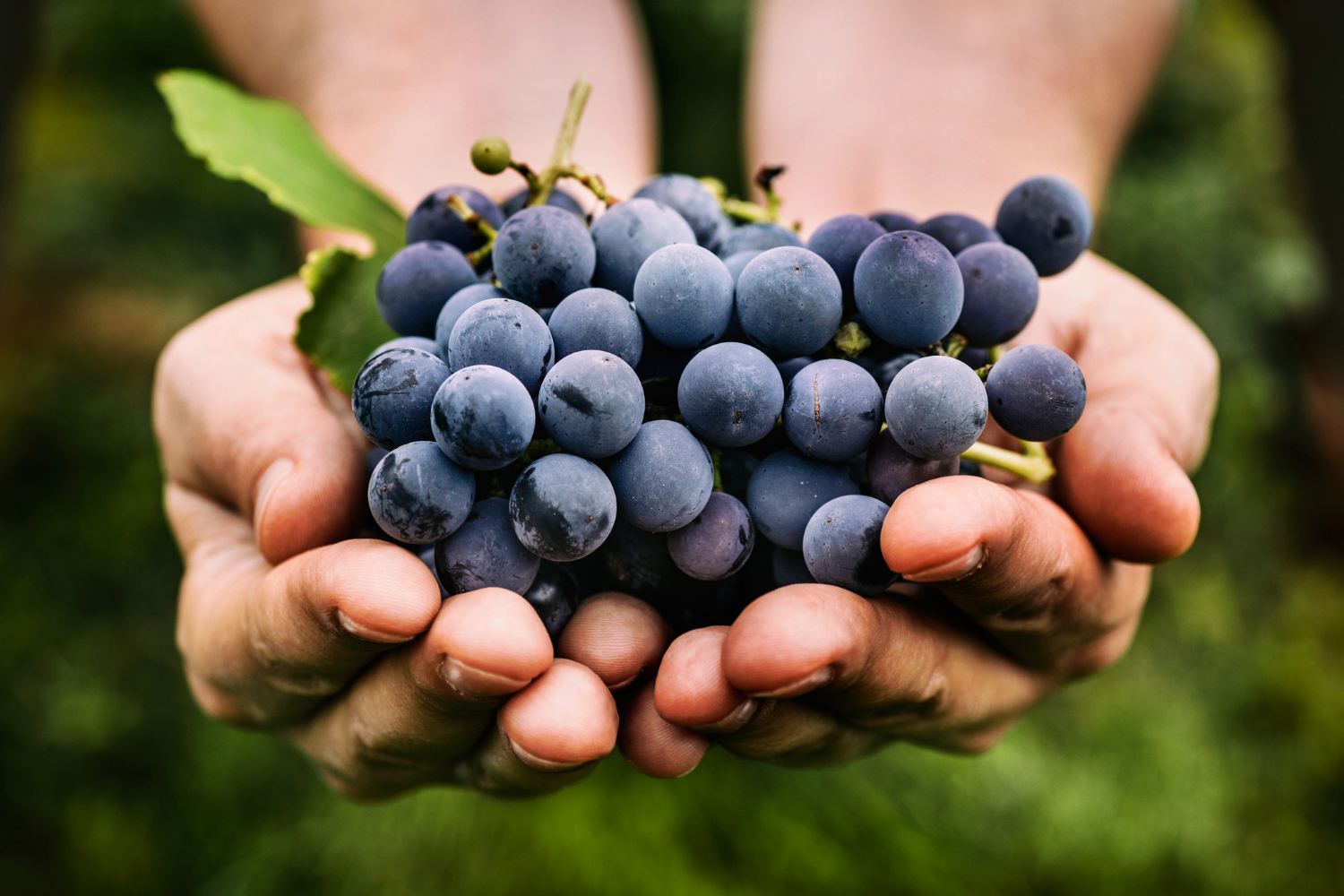
Do you really know which grape varieties dominate the world of wine? Every bottle tells a story, and the grape variety is the first page. Knowing which grape varieties dominate the world of wine helps you choose, taste and enjoy your wines. In this article, we present the 10 essential grape varieties, with their aromas, origins and best food and wine pairings.
Why is knowledge of grape varieties essential?
The grape variety has a direct influence on the taste, structure and aromatic richness of a wine. However, we mustn't forget that the terroir - soil, climate and the winemaker's know-how - strongly modifies its expression. Learning to distinguish between grape variety and terroir helps us to understand why the same grape produces very different wines in different regions. By knowing the grape varieties, you'll be able to recognize your preferred style and better choose your bottles.
The 10 grape varieties you need to know
1. Cabernet Sauvignon
Originally from Bordeaux, Cabernet Sauvignon is now grown all over the world. It offers powerful aromas of blackcurrant, bell pepper and spices, sometimes complemented by notes of cedar with ageing. It's a structured, tannic grape that goes perfectly with red meats, game and dishes in sauce.
2. Merlot
Merlot is the grape of roundness and suppleness, much appreciated in Bordeaux blends. Its aromas are reminiscent of plum, black cherry and sometimes chocolate. Thanks to its softness, it goes well with roast poultry or pasta dishes with tomato sauce.
3. Pinot Noir
Pinot Noir, king of Burgundy, is a delicate, refined grape variety. It reveals aromas of strawberry, cherry and undergrowth, which evolve into more complex notes with age. It's an excellent companion for poultry, mushrooms and certain mild cheeses.
4. Syrah
Called Syrah in France and Shiraz in Australia, this grape variety seduces with its power and aromatic diversity. It offers aromas of black fruits, violets and pepper, sometimes with pronounced spicy notes. A perfect accompaniment to grilled meats and Mediterranean dishes.
5. Grenache
Grenache is a sunny, generous grape variety, very present in the south of France and in Châteauneuf-du-Pape. Its aromas are reminiscent of ripe strawberries, garrigue and sweet spices. It goes perfectly with Mediterranean dishes, grilled vegetables and fragrant tagines.
6 Chardonnay
Chardonnay is the most widely planted white grape variety in the world. In Burgundy, it produces mineral wines, while in California it develops a rounder, buttery, woody style. Thanks to its versatility, it goes equally well with cheese, fish and poultry in cream sauce.
7. Sauvignon Blanc
Sauvignon Blanc is a lively, aromatic grape variety, much appreciated for its freshness. It is found in the Loire region, Bordeaux and New Zealand. Its aromas of citrus, fresh grass and boxwood make it an ideal companion for seafood and goat's cheese.
8. Riesling
Riesling is one of the noble grape varieties ofAlsace and Germany. Depending on vinification, it can produce dry, semi-dry or sweet wines. Its aromas of lemon, white flowers and sometimes petroleum as it ages go wonderfully with Asian cuisine and spicy dishes.
9. Chenin Blanc
Chenin Blanc is a highly versatile grape variety, very much in evidence in the Loire region. It can produce dry, sweet or even sparkling wines. Its apple, honey and quince aromas go well with fish, sweet and savory dishes and certain fruity desserts.
10. Malbec
Originally from Cahors, but popularized byArgentina, Malbec is a powerful, colorful grape variety. It develops aromas of blackberry, plum and violet. Ideal with red meats, stews and barbecues.
Visual comparison chart
| Grape variety | Origin | Wine style | Wine and food pairing |
|---|---|---|---|
| Cabernet Sauvignon | Bordeaux | Powerful and tannic | Game, red meats |
| Merlot | Bordeaux | Round and flexible | Poultry, pasta |
| Pinot Noir | Burgundy | Delicate and refined | Mushrooms, mild cheeses |
| Syrah / Shiraz | Rhône, Australia | Spicy and meaty | Grilled meats, spicy dishes |
| Grenache | Sud de France | Gourmet and solar | Mediterranean cuisine |
| Chardonnay | Worldwide | Mineral or woody | Cheese, fish |
| Sauvignon Blanc | Loire, New Zealand | Lively and aromatic | Seafood, goat |
| Riesling | Alsace, Germany | Dry or sweet | Asian cuisine, spicy |
| Chenin Blanc | Loire | Versatile | Fish, sweet and sour dishes |
| Malbec | Cahors, Argentina | Powerful and fruity | Barbecues, stews |
How to choose a wine according to its grape variety?
When choosing a wine, it's essential to read the label carefully, as the grape variety is often indicated. In this way, you can easily identify your preferences: fruity, tannic, mineral or round wines. What's more, it's interesting to compare the same grape variety in different regions to discover its full diversity. For example, a Chardonnay from Burgundy offers mineral freshness, while a Chardonnay from California reveals buttery, woody notes.
FAQ: Frequently asked questions about grape varieties
Which grape varieties are the most widely planted in the world?
The most widespread are Cabernet Sauvignon, Merlot, Chardonnay and Airén in Spain.
What's the difference between grape varieties and blends?
A varietal is a grape variety, while a blend combines several grape varieties in a single wine.
Should you focus on grape variety or terroir?
Both are essential. The grape variety defines the aromatic base of the wine, while the terroir refines its style and expression.
Conclusion
Knowing the grape varieties means better understanding wine and developing your palate. These 10 essential grape varieties are an excellent basis for exploring the diversity of styles and refining your tastes. So don't hesitate to compare, taste and note your own preferences, so that you can progress in your discovery.