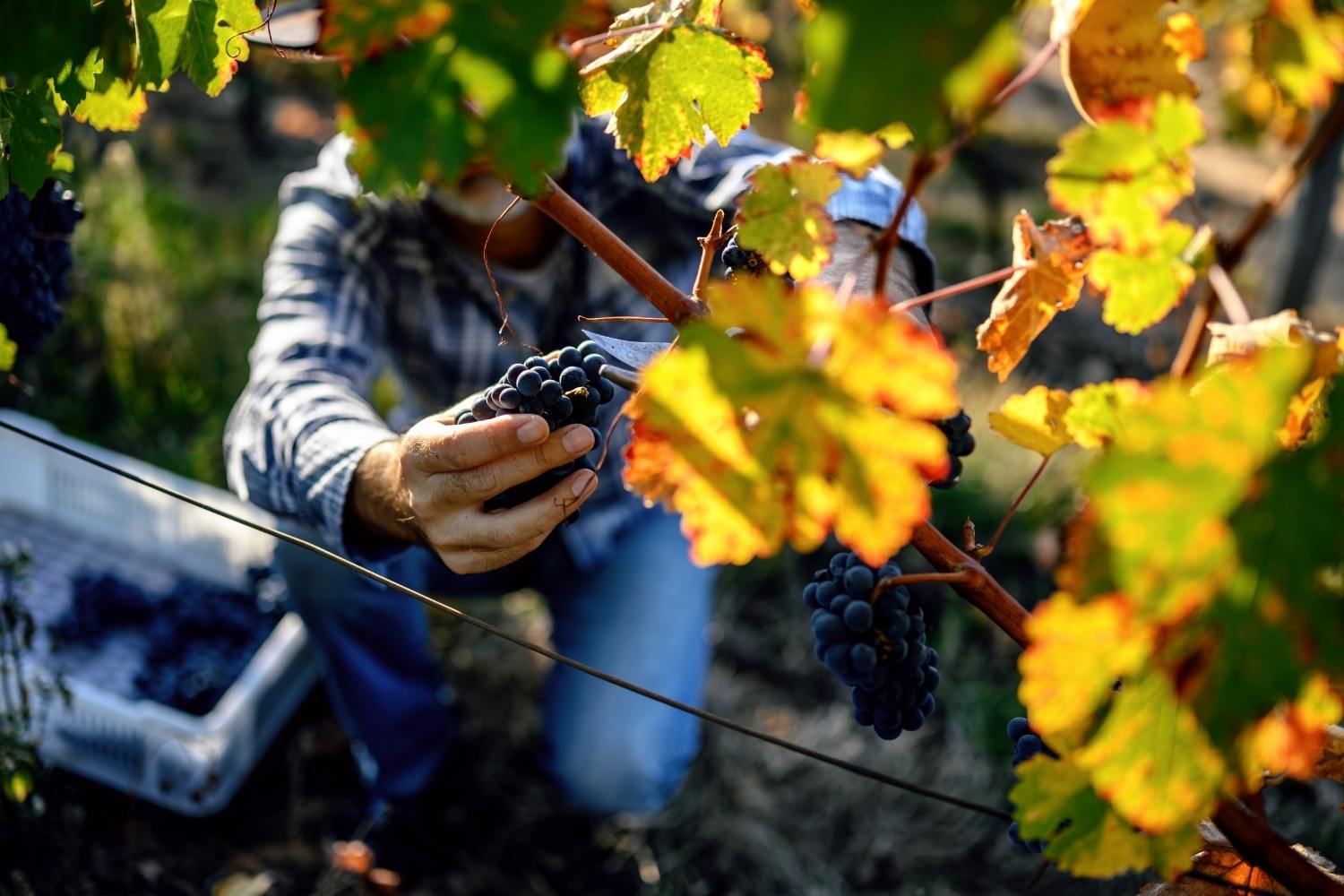
In a world where technology is everywhere, some winemakers are choosing a different path. They are returning to ancestral winemaking techniques, inherited from centuries-old know-how. These practices, born long before the advent of mechanization, are once again attracting interest. And why? Because they give wine back its authenticity, its soul and the pure expression of its terroir.
Let's discover the methods that still shape exceptional wines today.
What is ancestral winemaking?
Ancestral winemaking refers to processes used before the industrial era. Here, everything relies on human hands, nature and time. Unlike "modern" winemaking, human intervention is minimal. The emphasis is on indigenous yeasts, natural fermentation and long ageing, often in neutral materials.
The aim is to preserve the personality of the grapes and the uniqueness of the terroir.
| Method | Modern | Ancestral |
|---|---|---|
| Fermentation | Controlled by selected yeasts | Spontaneous, natural yeasts |
| Hardware | Stainless steel tanks, thermal control | Jars, amphorae, wood |
| Duration | Fast | Slow, respecting the natural cycle |
| Results | Standardized profile | Expressive, lively wine |
These differences explain the timeless charm of wines made using traditional methods.
The main ancestral techniques still in use
Fermentation in amphorae
Dating back over 6,000 years, fermentation in amphorae (or qvevris in Georgia) enables gentle micro-oxygenation. The clay naturally regulates gas exchange, without altering the aromas. The wine develops a silky texture and great purity. Today, many winemakers like Thierry Germain are reviving this method, a symbol of balance between tradition and precision.
Foot treading
A symbol of respect for the fruit, manual crushing gently crushes the bunches to release the juice without breaking the seeds. This method preserves the finesse of the tannins and promotes balanced extraction. Still used in some Portuguese vineyards, it evokes the conviviality and sensitivity of the human gesture.
Breeding under sail
Used in the Jura region in particular, this process consists of allowing a veil of yeast to form on the surface of the wine. This natural film protects the liquid from oxidation, creating unique aromas of nuts, apples and spices. These rich, deep wines require patience and mastery.
Natural carbonic maceration
An emblematic Beaujolais method, carbonic maceration encourages fermentation within whole berries. The result: fruity, fresh and supple wines. Once intuitive, this technique is now a model of grape-friendly winemaking.
Why are these methods once again appealing to modern winemakers?
Standardization of taste has prompted many producers to return to their roots. These ancestral winemaking techniques enable us to create singular wines, full of life.
They also meet consumer expectations for authenticity, emotion and respect for nature.
Older methods are often more environmentally friendly: fewer chemical inputs, more biodiversity, less energy consumption.
5 reasons to return to the ancestral :
- Preserving the identity of the terroir.
- Enhancing human know-how.
- Reducing environmental impact.
- Create lively, expressive wines.
- Responding to enthusiasts' quest for naturalness.
Testimonials and feedback
Many winemakers testify to this rediscovery. Working "as before" allows them to rediscover an intimate connection with their raw material.
Some tell of the satisfaction of feeling the wine evolve day after day, without artifice. Others talk about the pleasure of seeing cuvées vary slightly from one year to the next: living proof of the sincerity of the terroir.
Authenticity takes precedence over perfection, and this approach is winning over more and more enthusiasts.
The challenges of traditional winemaking today
These methods require great mastery. Natural fermentations are slower and sometimes capricious. Temperature, humidity, time of devatting: everything depends on observation and experience.
There are risks: aromatic deviations, instability, variable yields. But passionate winemakers accept these constraints in the name of wine quality and sincerity.
Modern tools, such as gentle temperature control, now make it possible to combine tradition and safety.
How can you recognize a wine made using ancestral techniques?
Several clues can help you:
- On the label: "vin nature", "levures indigènes", or "fermentation en amphores".
- Tasting notes: lively texture, pure aromas, natural balance.
- Color: deeper, often slightly cloudy shades.
These wines are often more digestible, vibrant and expressive. To appreciate them, simply taste with an open mind... and a little curiosity.
FAQ - Frequently asked questions
Are ancestral wines more fragile?
Yes, they require more attention to preservation, but gain in authenticity.
Are they necessarily organic?
No, but they generally follow a philosophy close to that of organic viticulture.
Are they more expensive?
Not always. Their cost mainly reflects manual labor and time spent.
How to tune them?
With simple, sincere dishes: mature cheeses, roast poultry or root vegetables.
Conclusion: rediscovering wine through tradition
Ancestral winemaking embodies a return to basics. Far from being outdated, these techniques reveal the truth of grapes and terroir. By reviving the gestures of yesteryear, winegrowers give wine back its nobility and humanity. Preserving this knowledge means keeping the memory of wine alive.