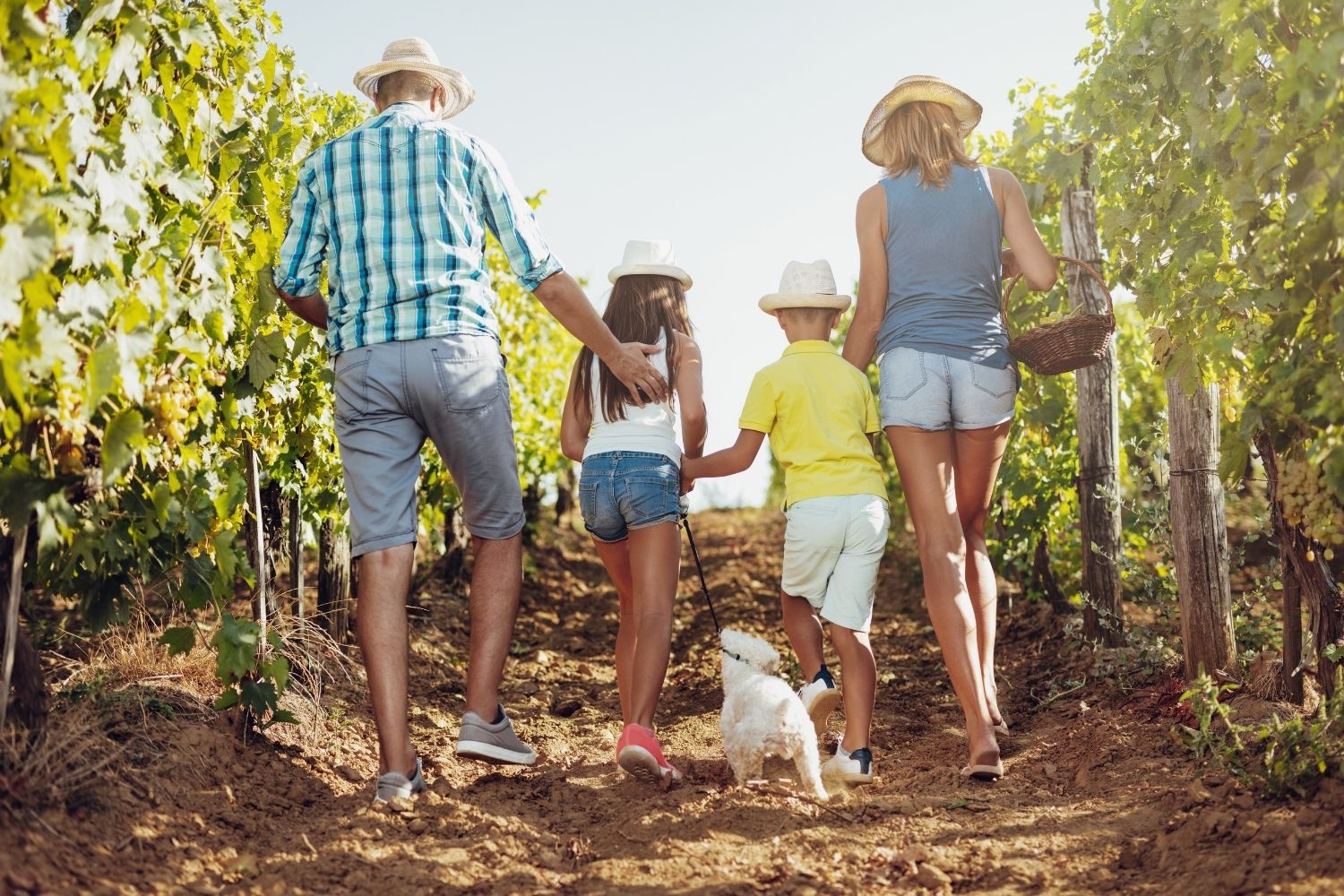
The takeover of family farms by the younger generation is crucial for the future of agriculture and viticulture. As many farmers approach retirement age, young successors are bringing a breath of fresh air, combining family heritage with sustainable practices. But how do these young people manage to reconcile tradition and modernity? This article explores the strategies, challenges, and successes of young people who are taking over family estates with an environmentally friendly approach.
Why succession planning for family farms is a crucial issue
The aging of farmers
In many countries, the average age of farmers is over 50. This reality raises the question of how to pass on expertise and ensure the continuity of farms. Without a trained and motivated new generation, these farms risk disappearing or losing their heritage value.
The need for modernization
Markets are changing rapidly, and consumers are now looking for high-quality products that are produced using sustainable and transparent practices. Young entrepreneurs are often best placed to introduce innovations, whether in crop management, energy optimization, or product promotion.
Interest among younger generations
Young people aspire to give lasting meaning to their work. For them, taking over a family business is not just about maintaining a legacy: it is also about reducing environmental impact, adopting practices that respect biodiversity, and meeting the expectations of modern consumers.
Strategies adopted by young people for a sustainable recovery
Modernization of agricultural practices
Many new farmers choose to switch to organic, biodynamic, or sustainable farming. This transition reduces the use of chemicals, protects the soil, and preserves water quality. Young farmers are also introducing crop rotation and the use of natural compost to enrich the soil.
Technological innovation
Digital tools and precision viticulture are powerful allies. Connected sensors measure humidity, temperature, and plant health, optimizing irrigation and reducing waste. These technologies also facilitate product quality monitoring and harvest planning.
Sustainable economic management and marketing
To ensure the farm's long-term viability, young buyers are focusing on short supply chains, direct sales, and e-commerce. Promoting a product responsibly, by telling its story and explaining how it is produced, enhances the estate's image and builds loyalty among customers who care about sustainability.
Case studies and inspiring examples
To better understand these practices, here are some representative examples:
| Domain | Young farmers | Practices implemented | Observed results |
|---|---|---|---|
| Château Fleur Cardinale | Ludovic and Caroline, son and daughter-in-law of the owners | AFNOR CSR certification and creation of a wine tourism activity on the estate | Awarded a Global Best of Wine Tourism Award for their tourism activities. |
| Domaine de la Mordorée | Amber, daughter of the owners | Organic farming, certified by Demeter Biodynamics | Creation of a sustainable ecosystem that protects the vineyard from bad weather |
| Tardieu-Laurent Estate | Bastien and Camille, children of the owners | Creation of the "micro-merchants" business, improvement of winemaking techniques | Improving wine quality, promoting the image of Maison Tardieu Laurent |
These examples show that combining innovation, sustainability, and respect for tradition enables young people to successfully take over farms while preserving their future.
Challenges and obstacles encountered
Financing and investments
Adopting sustainable practices or modernizing a farm requires significant investment. Access to financing remains a major challenge for many young farmers.
Inheritance management and legal aspects
The transfer of a family estate can be complex from a legal and tax perspective. Young people must navigate between inheritance sharing, potential debts, and legal structures to ensure a smooth transition.
Resistance to change
Introducing new practices or technologies can sometimes meet with resistance within the family or team. Communication and demonstrating the benefits then become essential.
Tips for a successful and sustainable recovery
- Establish a clear transition plan with the former operators to ensure continuity and avoid conflicts.
- Integrate sustainability from the outset: choose responsible practices and obtain recognized certifications.
- Train teams in new techniques to ensure effective implementation.
- Communicate transparently about the methods and vision of the domain to appeal to modern consumers.
Frequently Asked Questions
What are the main obstacles for a young person taking over a family business?
- Financing, legal issues, and resistance to change are the main challenges.
How can we finance a sustainable recovery?
- Government grants, bank loans dedicated to sustainable agriculture, and partnerships with investors.
Which sustainable practices are a priority?
- Reduction of chemical inputs, water management, biodiversity, short supply chains, and renewable energy.
Key points to remember about young people taking over family farms
The takeover of family farms by younger generations is an opportunity to combine tradition and sustainability. By modernizing practices, adopting innovative technologies, and promoting products in a responsible manner, these young entrepreneurs are successfully preserving their family heritage while meeting the expectations of modern consumers. The key lies in having a clear vision, receiving support from former farmers, and integrating sustainable practices from the outset.