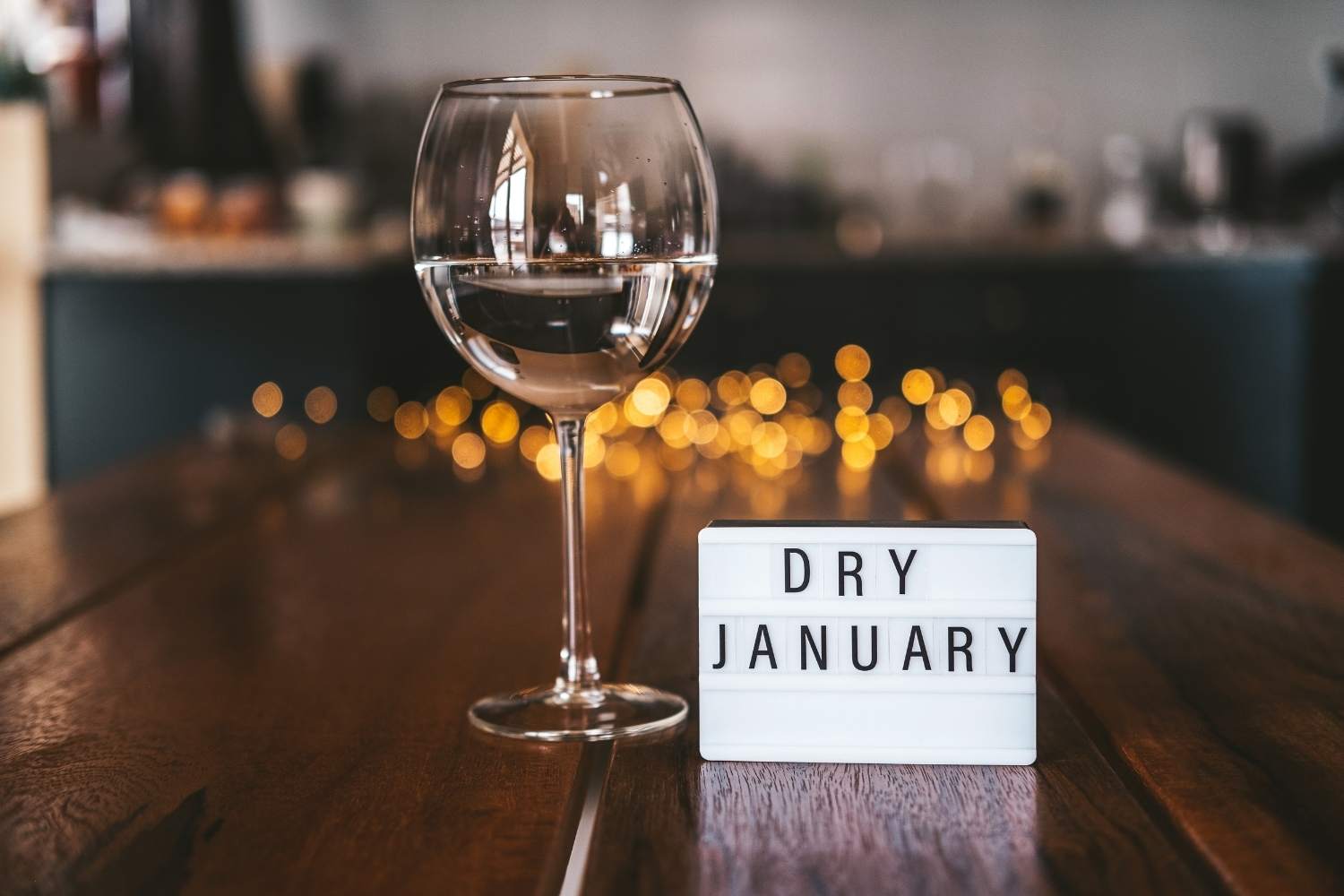
Every January, the Dry January phenomenon returns to the spotlight. After the excesses of the holiday season, more and more consumers are choosing to reduce or stop their alcohol consumption, particularly wine. But is this practice simply a temporary break or does it reflect a real, lasting change in wine-related behaviors? To answer this question, we need to examine current trends, consumption data, and alternatives that allow us to preserve the pleasure without alcohol.
What is Dry January and why is it so appealing?
Dry January originated in the United Kingdom in the early 2010s. Its goal is simple: to offer a month of voluntary sobriety after the holidays, with a focus on health, well-being, and mindful consumption. This practice quickly caught on in other European countries and is now gaining popularity in France.
The success of Dry January can be explained by several factors: the opportunity to take a break without judgment, awareness of end-of-year excesses, and the desire to adopt a healthier lifestyle. According to a study conducted by the YouGov institute in 2025, nearly 23% of French people have participated in this initiative at least once, a figure that is constantly rising.
| Reason/Motivation | % of participants | Detailed remarks |
|---|---|---|
| Improve your health | 41% | The primary reason cited by participants across all age groups. |
| Cut down on alcohol consumption | 32% | Overall average; significant difference between men and women: 42% men vs. 16% women. The 25-34 age group is the most affected (49%), compared to 18% among those aged 55 and over. |
| Save money | 28% | Third main reason for participating in Dry January. |
| Lose weight | 25% | About a quarter of participants hope to lose weight. |
| Test your relationship with alcohol | 23% | An introspective approach for almost a quarter of participants. |
| Motivation: group effect | 59% | Most participants take on the challenge with loved ones, friends, or family to see if they can stick with it until January 31. |
Temporary pause or lasting change? Behavioral analysis
The effect of Dry January on sustainable consumption remains limited, but it can initiate subtle changes. Participants learn to identify their habits, become aware of excesses, and moderate their consumption throughout the year.
A study conducted in 2024 by the University of Birmingham reveals that 30% of participants report continuing to reduce their consumption several months after January. This shows that Dry January can be a trigger for responsible consumption, even if the majority return to their usual habits.
Alternatives to wine for a successful Dry January
For those who wish to continue enjoying the pleasure of tasting while remaining sober, there are a growing number of alternatives:
- Non-alcoholic wines: red, white, or sparkling, they offer the aroma and texture of classic wine without the alcohol.
- Non-alcoholic spirits: gin, whiskey, flavored rum, and non-alcoholic liqueurs are becoming increasingly available.
- Cocktails and mocktails: creative blends made with juice, herbs, spices, and naturally fermented beverages.
These options allow people to remain socially active and enjoy a drink while sticking to their resolutions. Brands are investing heavily in these alternatives, with innovations that replicate the complexity of traditional wines and spirits.
Trends for 2026: wine and sobriety
The market for non-alcoholic wines and spirits is growing rapidly. According to a Nielsen study, sales of non-alcoholic wines increased by 18% in 2025. Bars and restaurants now offer non-alcoholic tasting menus, and some vineyards are even experimenting with low-alcohol grape varieties to meet this demand.
This trend reveals a lasting change in the relationship with wine, not in the pleasure of tasting it, but in the way it is consumed. Consumers are now seeking a balance between pleasure and moderation, which opens up new opportunities for producers.
How to embrace Dry January without frustration
To get the most out of Dry January, it is essential to combine moderation with alternatives:
- Alternate between classic wine and non-alcoholic wine during social meals.
- Explore non-alcoholic spirits, such as sophisticated mocktails.
- Rediscover mindful tasting, enjoying the aromas, texture, and conviviality without alcohol.
- Plan your outings to avoid temptation and keep it fun.
Frequently asked questions – Wine and Dry January
Can I enjoy wine after January without feeling guilty?
Absolutely. Dry January doesn't prohibit anything, it just offers a time to pause and reflect.
Which non-alcoholic wines or spirits are worth trying?
Non-alcoholic sparkling, red, and white wines, as well as non-alcoholic flavored spirits, that replicate the taste experience.
Is Dry January a lasting phenomenon or just a passing fad?
It is a mixture of both: temporary for many, but it encourages lasting change for some of the participants.
Conclusion
Dry January isn't just a passing fad. It offers a temporary break, but can also be a catalyst for responsible and conscious consumption. Alcohol-free alternatives, whether wines or spirits, allow you to preserve the pleasure and turn this period into an opportunity to explore new ways of drinking.