Vintage Champagne: How does it differ from non-vintage Champagne?
380
When you look at a bottle of champagne and see a vintage year listed on the label, you might wonder if that justifies a higher price and whether the quality will actually be superior. Vintage champagne sparks curiosity, sometimes intimidation, and often legitimate confusion among enthusiasts. However, understanding the difference between vintage and non-vintage champagne allows you to make an informed choice that suits the occasion, your budget, and the style you’re looking for. In this article, I’ll clearly explain what distinguishes these two categories, why houses don’t produce a vintage every year, and how to decide which one to open depending on the occasion.
What is a vintage champagne?
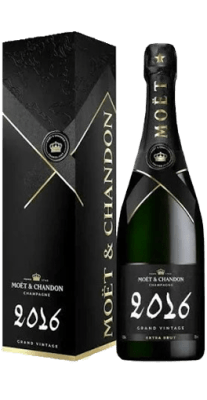
A vintage champagne is made from grapes harvested in a single year, and that year must be indicated on the label. According to the Comité Champagne, a house may only declare a vintage when the quality of the harvest is deemed exceptional enough to warrant being set apart. In other words, a vintage designation is not automatic but voluntary, and it reflects the climatic character of a particular year—including its ripening conditions, acidity level, and natural balance. This uniqueness explains why a vintage champagne tells a different story with each release and why it attracts connoisseurs seeking expression and authenticity.
Why aren't all champagnes vintage?
In Champagne, the climate is unpredictable, and in some years conditions are not favorable enough to produce a vintage. Most houses prefer to produce non-vintage champagnes in order to ensure a consistent style that remains true to their signature. A vintage reflects the character of a specific year, while a non-vintage champagne aims for consistency to build customer loyalty.
The criteria for a great year
A great vintage is characterized by uniform ripeness of the grapes, an optimal balance of sugar and acidity, the absence of disease, and excellent aging potential. As one cellar master puts it: “A vintage isn’t decided; it imposes itself.” This statement perfectly captures the high standards and strategic decisions behind every vintage.
What is a non-vintage champagne?
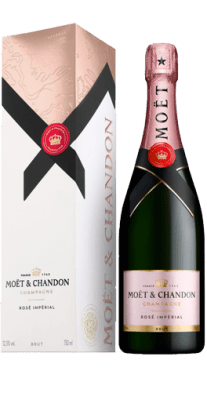
Non-vintage champagne, often referred to as “brut sans année,” is a blend of wines from multiple vintages and includes reserve wines that have been aged for several years by the house. Iconic houses such as Moët & Chandon and Veuve Clicquot have perfected the art of blending to ensure a consistent style year after year. The goal is for the consumer to experience the same aromatic signature, texture, and balance, regardless of climatic variations in the most recent harvest. Non-vintage champagne thus embodies consistency and technical mastery, while vintage champagne highlights the unique expression of a single year.
The Art of Assemblage
The cellar master blends the latest vintage with reserve wines to ensure a consistent style. This technique requires experience, patience, and a keen sense of balance to preserve the winery’s signature character.
Comparison chart: vintage vs. non-vintage champagne
Criteria
Vintage Champagne
Non-vintage champagne
Year indicated
Yes
No
Assembly
A single harvest
Several years
Style
A reflection of the climate
Consistent style
Minimal aging
3 years (often longer)
At least 15 months
Price
Higher
More accessible
Aging potential
10–20 years
3–5 years
Why is a vintage champagne more expensive?
Several factors account for this price difference. Strict selection requires retaining only the best vintages, aging takes longer to refine the aromatic complexity, and production volumes are often limited. Time, rarity, and prestige thus account for the higher value of the vintage. Houses such as Dom Pérignon have chosen to produce only vintages, reinforcing their iconic status and the perception of exceptional quality.
Should you keep a vintage champagne?
Vintage champagne has superior aging potential thanks to its natural balance and aromatic structure. Optimal storage conditions include a stable temperature of around 12°C, total darkness, moderate humidity, and storing the bottle on its side. Contrary to popular belief, a vintage can be enjoyed young and already exhibit freshness and vibrancy, but it gains complexity with several years of cellaring. Personal experience shows that a 12-year-old vintage can offer depth, length, and balance rarely achieved in its youth.
Vintage or non-vintage champagne: which one should you choose?
It all depends on the occasion. For a casual aperitif, a non-vintage wine is fresher and more immediate, offering excellent value for money. For a gourmet dinner or a prestigious gift, a vintage wine offers uniqueness and emotion, as it reflects a specific year and a rigorous selection process. For everyday enjoyment, non-vintage wines are preferred for their accessibility and consistency, while vintage wines are favored for special occasions and sensory exploration.
FAQ: Frequently Asked Questions About Vintage Champagne
Is a vintage champagne always better?
No, it simply refers to a specific year.
How long can it be stored?
Between 10 and 20 years, depending on the quality of the vintage.
Can you open a young vintage?
Yes, but it will become more complex over time.
Conclusion: Understanding to Make Better Choices
The difference between vintage and non-vintage champagne lies in the use of a single vintage versus a blend of multiple vintages, the expression of a specific terroir versus the consistency of style, and the superior aging potential of the vintage. Vintage champagne isn’t necessarily better; it’s more distinctive and tells the story of an exceptional year. Understanding this distinction allows you to choose based on the occasion, your budget, and the experience you’re seeking, and to fully appreciate the role of each bottle.