Bandol is one of Provence’s most renowned appellations. Yet many wine lovers still associate this region solely with its rosés. The reality is far more diverse. The appellation produces three distinct types of wine: reds, rosés, and whites, each with a strong identity rooted in an exceptional terroir.
In this guide, discover the characteristics of Bandol wines, the grape varieties used, their flavor profiles, and the best food and wine pairings.
Bandol, a unique appellation in Provence
Located between Marseille and Toulon, the Bandol appellation enjoys a Mediterranean climate that is ideal for viticulture. The vineyards are mainly spread across dry-stone terraces known as “restanques,” which promote soil drainage and sun exposure.
The Bandol region is also characterized by the Mediterranean’s maritime influence. This proximity allows the vines to retain a certain freshness despite hot, dry summers.
Another distinctive feature of the appellation is its signature grape variety: Mourvèdre. Few regions in the world allow this demanding grape variety to reach such a high level of ripeness and expression.




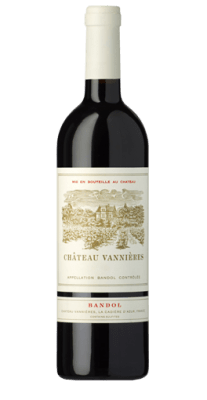


Bandol red wines: the heart and soul of the appellation
The reds represent the traditional style of Bandol. They are primarily made from Mourvèdre, blended with Grenache, Syrah, or Cinsault.
Even when young, these wines offer aromas of black fruits, blackberries, blackcurrants, and spices. With age, they develop complex notes of leather, forest floor, truffle, and Provençal garrigue.
One of the great strengths of Bandol reds lies in their aging potential. The best vintages can age gracefully for fifteen to twenty years, or even longer in exceptional vintages.
What dishes pair well with a red Bandol?
Bandol reds pair perfectly with:
- Grilled meats
- Roast Lamb
- Provençal stews
- Game
- Aged cheeses
| Bandol Red Style | Dominant aromas | Aging potential |
|---|---|---|
| Young | Black fruits, spices | 3 to 5 years |
| Mature | Leather, scrubland | 10 to 15 years old |
| Long-term storage | Truffle, undergrowth | 20 years and older |
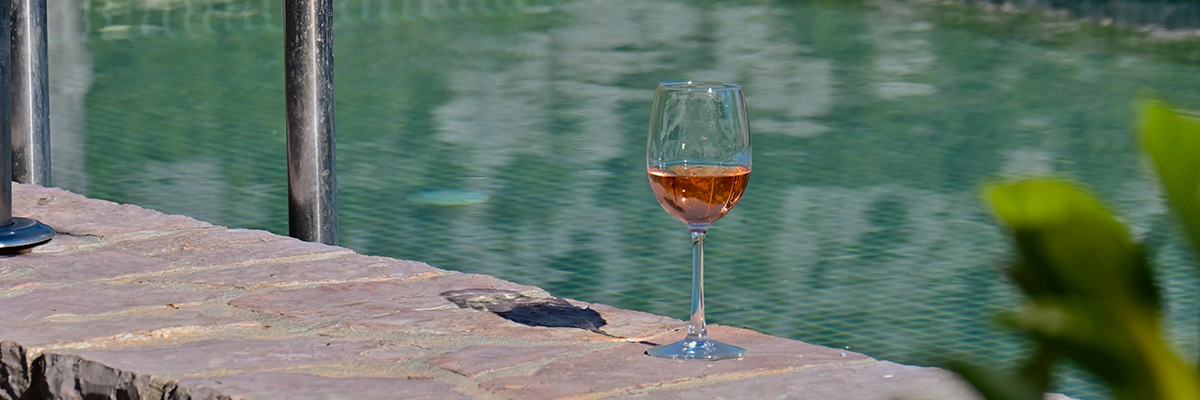
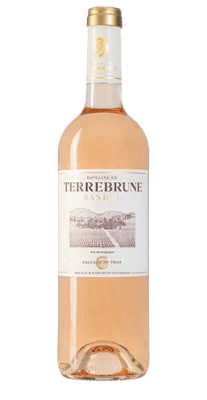
Bandol rosés: wines for fine dining
Contrary to popular belief, Bandol rosés are not just summer wines. They are among the most structured and complex rosés in France.
Made from Mourvèdre, Cinsault, and Grenache, these wines have more body and depth than most Provençal rosés.
Their flavor profile combines citrus, fresh berries, mild spices, and sometimes hints of the sea. This richness makes them a perfect accompaniment to a full meal.
Another often-overlooked advantage: some Bandol rosés can be cellared for several years. After two or three years in the cellar, they gain in complexity while retaining their freshness.
The best food pairings for a Bandol rosé
Bandol rosés pair particularly well with:
- Bouillabaisse
- Grilled fish
- Provençal cuisine
- Some mildly spicy Asian dishes
Bandol white wines: the unsung heroes
The production of white wines remains relatively small within the appellation. Yet these wines are well worth the attention of wine lovers.
The most commonly used grape varieties are Clairette, Ugni Blanc, and Bourboulenc. Together, they produce elegant, fresh wines that are often characterized by a lovely minerality.
On the nose, Bandol whites reveal notes of citrus, white flowers, fennel, and sometimes white-fleshed fruits. On the palate, they charm with their balance of freshness and fullness.
What dishes go well with a white Bandol?
Bandol white wines are the perfect accompaniment to:
- Grilled fish
- Seafood
- Shellfish
- Mediterranean vegetables
- Fresh goat cheese
Many sommeliers today consider Bandol whites to be one of Provence’s best-kept secrets.
What type of Bandol wine should you choose based on your tastes?
The choice depends above all on your personal preferences. If you enjoy full-bodied, complex wines, look for a red Bandol dominated by Mourvèdre.
If you're looking for a versatile wine to pair with a variety of dishes, Bandol rosé is an excellent choice. Finally, if you enjoy fresh, elegant wines that reflect their terroir, Bandol white wine is sure to win you over.
| Do you like | Choose |
|---|---|
| Full-bodied wines | Red Bandol |
| Wines for aging | Bandol Red, predominantly Mourvèdre |
| Wines for dining | Bandol Rosé |
| Fresh, mineral-driven wines | White Bandol |
How can you tell if a Bandol is a great wine?
There are several criteria for identifying a high-quality bottle:
- The estate's reputation
- The vintage
- The proportion of Mourvèdre
- The quality of the livestock
- The stated aging potential
A common mistake is to drink a full-bodied red Bandol before it has had time to age. These wines often benefit from being cellared for a few years before they reveal their full complexity.
FAQ: Everything You Need to Know About Bandol Wines
What is the primary grape variety used in Bandol wines?
Mourvèdre is the appellation’s signature grape variety and often forms the basis of the blends.
Are Bandol rosés different from other Provence rosés?
Yes. They are generally more structured, more complex, and have better aging potential.
Are Bandol white wines rare?
Yes. They account for a small portion of the appellation’s total production.
Key facts about the different types of Bandol wines
The Bandol appellation is not limited to its famous rosés. It also produces some of the most prestigious age-worthy reds in the south of France, as well as lesser-known whites of remarkable finesse.
Whether you prefer full-bodied reds, gourmet rosés, or elegant Mediterranean whites, Bandol offers a wide variety of styles to satisfy every palate.