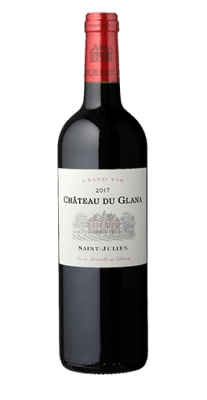
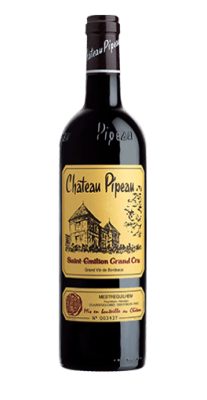
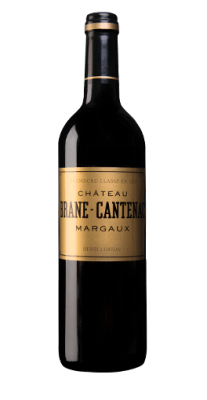
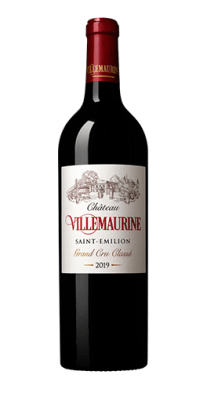
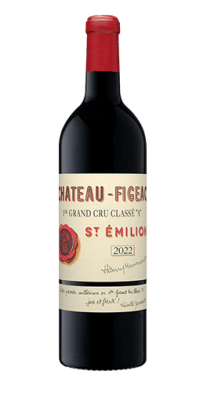
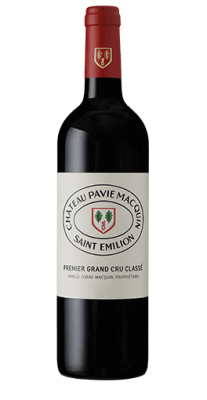
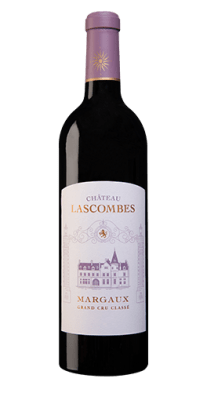
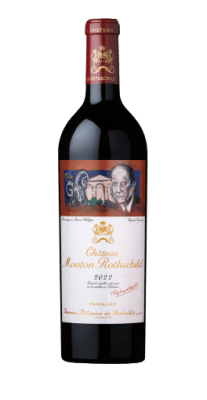
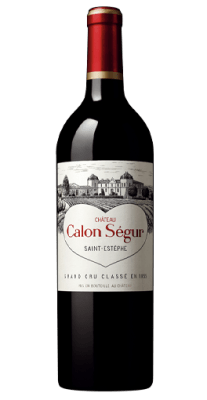
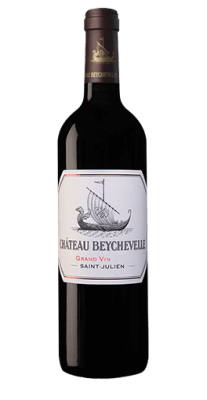
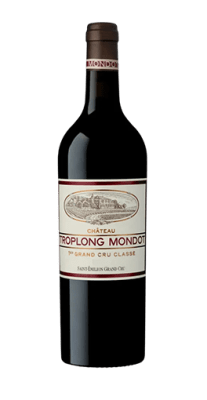
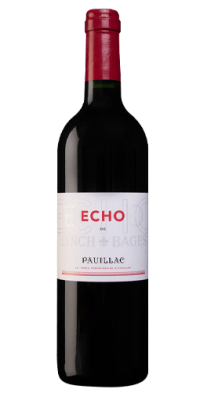
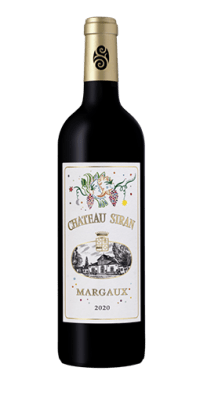
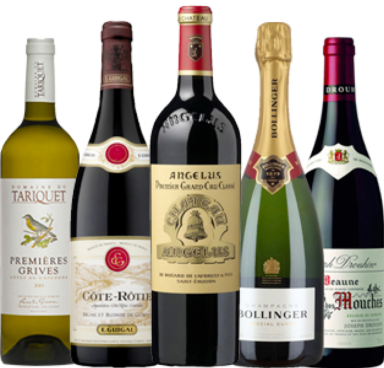
Bordeaux, synonymous with prestige and winemaking excellence, has fascinated wine lovers for centuries. But what makes a Bordeaux wine a grand cru? Is it solely the reputation of the château, or do history and terroir play a key role? This article explores the origins of Bordeaux's grands crus, their historical heritage, their unique terroirs, and the human factors that shape their quality.
Understanding the concept of "grand cru" in Bordeaux
The term Grand Cru has not always had the same meaning. In Bordeaux, it now refers to wines that achieve excellence in quality, reputation, and longevity. The official classification of 1855, commissioned by Napoleon III for the Universal Exhibition in Paris, ranked the wines of Médoc and Sauternes according to their prestige and price. Other classifications, such as those of Saint-Émilion and Pomerol, emerged later, with evolving criteria but always focused on quality. Understanding this concept means grasping the historical and cultural value that distinguishes a grand cru from a standard wine.
History of Bordeaux vineyards
The origins of Bordeaux's grands crus date back to the Middle Ages, when monks planted the first vines for the production of religious wine. Trade with England and the Netherlands then promoted exports, boosting the quality and reputation of Bordeaux wines. Over the centuries, innovation in winemaking techniques and château architecture has consolidated the region's reputation. Each grand cru therefore has a unique history, linked to the families, merchants, and economic events that have shaped Bordeaux.
The terroirs that make the grands crus famous
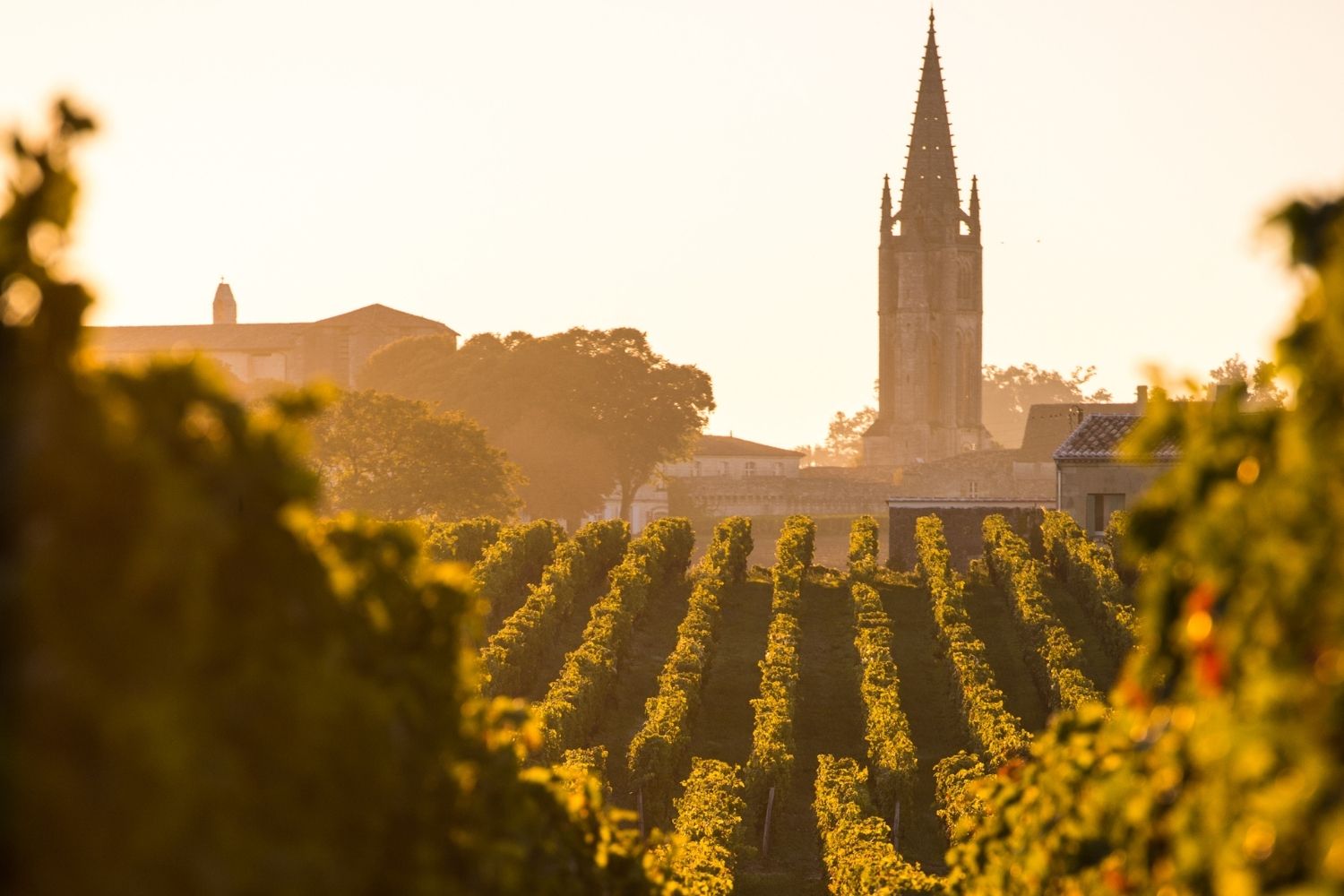
Terroir is a determining factor in the quality of wines. In Bordeaux, the diversity of soils— gravel, clay, limestone— directly influences the style of wines and the expression of grape varieties. Microclimates, such as those in Médoc or Saint-Émilion, create optimal conditions for grape ripening. For example, the gravel soils of Médoc favor Cabernet varieties, while the clay-limestone soils of Saint-Émilion favor Merlot. Understanding the link between soil, climate, and grape variety helps explain why certain châteaux achieve grand cru status.
Historic and iconic grape varieties
The success of Bordeaux's grands crus also depends on the choice of grape varieties. Cabernet Sauvignon brings structure and longevity, Merlot brings roundness and richness, while Cabernet Franc and Petit Verdot add complexity and aroma. The adaptation of grape varieties to the terroirs, combined with rigorous cultivation practices, explains the consistency and excellence of the wines. Some châteaux are also experimenting with rarer grape varieties to refine the balance and typicity of their wines.
Human and cultural factors
Bordeaux's grands crus are not just a matter of terroir and grape varieties. Winemaking families, sometimes spanning several generations, play a crucial role in maintaining quality. Merchants and châteaux also structure the market, ensuring the international reputation of the wines. Traditional winemaking methods, combined with modern innovations, allow each grand cru to preserve its identity while meeting global standards of excellence.
Fine wines and heritage value
A Bordeaux grand cru has unique heritage and cultural value. Critics, guides, and auctions influence its reputation and price. Wines such as Château Mouton Rothschild and Château Lafite Rothschild are not only wines but symbols of historical and economic heritage. Collectors and enthusiasts are drawn to the history, rarity, and longevity of grands crus, making each bottle a prestigious item.
FAQ for lovers of fine wines
What are the criteria for a wine to become a grand cru?
Consistent quality, historic reputation, exceptional terroir, and longevity in the bottle.
Do Bordeaux grands crus age better than other wines?
Yes, thanks to the combination of suitable grape varieties and careful winemaking.
What is the difference between a premier cru classé and a cru bourgeois?
The premier cru classé is recognized by official historical classifications, while the cru bourgeois is less prestigious but can offer excellent value for money.
Why Bordeaux's grands crus are unique: history, terroir, and excellence
Bordeaux's grands crus are the result of a long historical heritage, exceptional terroir, and unique human expertise. Understanding their origins not only allows you to appreciate their quality, but also to grasp the cultural and heritage richness they represent. Whether you are an amateur or a collector, exploring these wines, their histories, and their terroirs is an experience that reveals the full grandeur of Bordeaux.