Hosting a wine tasting at home may seem simple, but its success often depends on the accessories you use. The wrong glass, a bottle opened improperly, or the absence of a decanter can turn the experience into a disappointment. Fortunately, with a few well-chosen tools, you can enjoy a tasting worthy of a sommelier, even in your living room. This article lists the essential accessories, explains their role, and shares expert tips to ensure every tasting is a success.
The essential accessories for any successful tasting
The right glass for wine
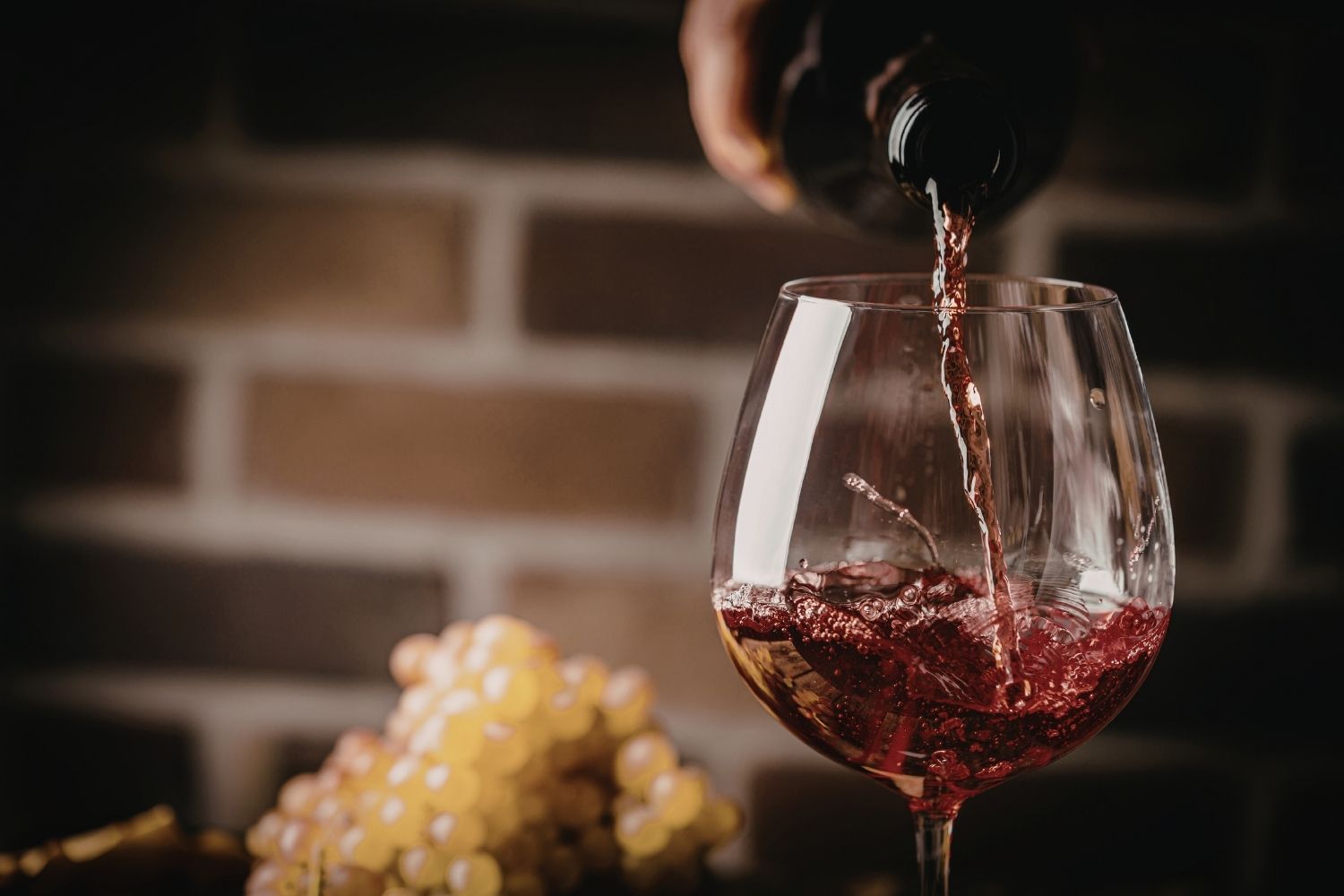
Choosing the right glass is crucial. An unsuitable glass can mask the wine’s aromas and structure. Crystal or fine-glass tumblers help concentrate the aromas and allow you to appreciate the color and texture. For reds, a wide-bowled glass promotes aeration; for whites, a narrower glass preserves the freshness.
A reliable corkscrew
You can’t get started without a good corkscrew. The lever-style corkscrew remains the most versatile: it’s easy to use and works on all bottles. For frequent wine drinkers, a lever-style model can speed up the process. Electric models are convenient, but less elegant during a casual tasting.
The carafe or decanter
Some wines, especially young, tannic reds, benefit from being decanted. Decanting allows the wine to breathe and releases its aromas. For older wines, gentle decanting helps separate the sediment.
The wine thermometer
The ideal serving temperature for wine is often overlooked. Red wine that’s too warm becomes overly alcoholic, while white wine that’s too cold loses its aromas. A simple wine thermometer allows you to serve each bottle under optimal conditions.
The ice bucket
For white and sparkling wines, an ice bucket is a must. Here’s a tip: fill the bucket halfway with water, add ice cubes, and optionally a pinch of salt to lower the temperature more quickly.
Sealing caps
If you don't finish the bottle, a vacuum pump or a neutral gas cap can help preserve the aromas for longer. These accessories are particularly useful during multiple tastings.
Organizational accessories for a structured tasting
Tasting notes
Taking notes is essential for learning to recognize flavor profiles and styles. A simple worksheet lets you note the color, aromas, structure, and balance. You can even create your own downloadable PDF for your friends.
Spittoon
Even if you're tasting at home, a spittoon helps you stay alert when tasting four or five wines or more. It enhances your perception and prevents taste fatigue.
Service Order
Always follow a logical order: from lightest to fullest-bodied, dry before sweet, white before red. This approach prevents biased comparisons and maximizes enjoyment.
Additional accessories for an immersive experience
To enhance your dining experience:
- Serving tray for displaying bottles
- Neutral lighting to bring out the true colors
- White tablecloth for a uniform backdrop
- Plain water and plain bread to cleanse the palate
These small details create a professional yet friendly atmosphere.
Common mistakes to avoid
- Accumulating useless gadgets
- Ignoring the wine's temperature
- Serve too much and overwhelm the palate
- Forget about olfactory silence: aromas need attention
FAQ: Essential Accessories for Wine Tasting at Home
- Which glass should you choose for a wine tasting at home? A high-quality all-purpose glass is sufficient for most wines.
- Do you really need a decanter? It’s useful for young or very tannic reds.
- What is the ideal serving temperature for red wine? About 16–18°C for light reds, and 18–20°C for full-bodied reds.
- Can you taste wine without a spittoon? Yes, but it helps prevent taste fatigue if you’re tasting several wines.
- How many wines should you serve at a tasting? Ideally, 4 to 6 wines to help you stay focused and clear-headed.
Conclusion
The key to a successful wine tasting at home lies in the quality of your accessories and your organization. With good glasses, a reliable corkscrew, a suitable decanter, and a few tools to enhance the experience, you can turn every tasting into a memorable occasion. The bottom line: prioritize simplicity and functionality over the sheer number of accessories.