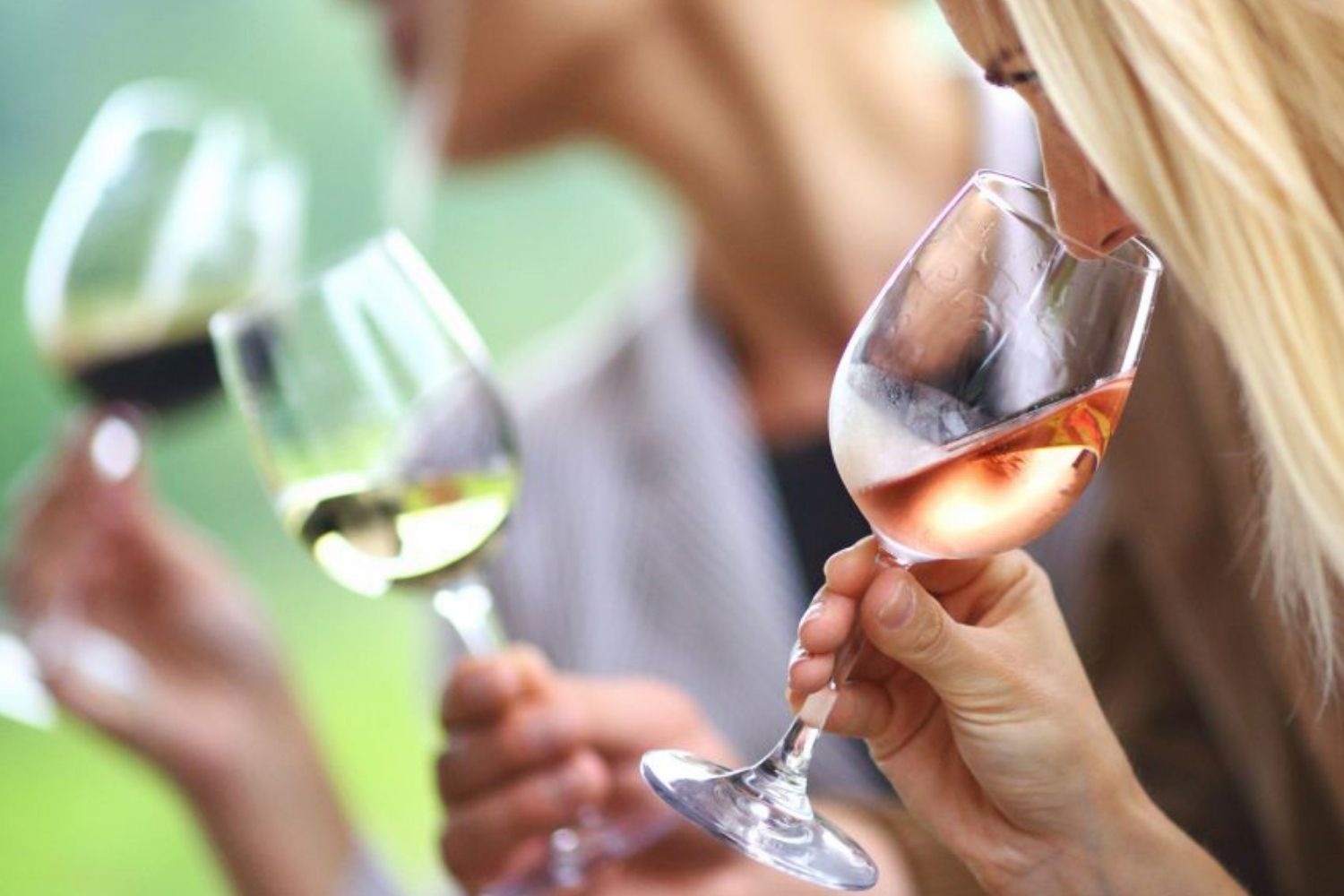
The sense of smell is at the heart of wine tasting: over 80% of sensations come from aromas. A wine can contain 500 to 1,000 volatile compounds, the source of its olfactory richness. Fruits, flowers, spices or woody notes make up this unique palette.
As Ernest Hemingway said:
"Wine is one of the most civilized things in the world and one of the most natural things in the world that has been brought to the greatest perfection, and it offers a greater range of pleasure and appreciation than, possibly, any other purely sensory thing."
In this article, discover a simple method and some practical tips for refining your nose and better recognizing wine aromas.
Understanding the origin of wine aromas
It's not by magic that wine gives off so many different aromas: they appear at different stages in its life. There are three main families.
1. Primary aromas
They come directly from the grape variety. These are the easiest notes to identify: red fruits (blackcurrant, strawberry), white flowers, fresh herbs. In short, it's the grape's aromatic identity card.
2. Secondary aromas
They appear during fermentation. When the yeasts transform sugar into alcohol, they create new aromas: brioche scents, milky touches, sometimes a buttery edge.
Tertiary aromas
They emerge with ageing and maturation. Time spent in barrel or bottle brings out notes of wood, vanilla and spices, as well as leather and tobacco. It's the patina of time.
Case in point: a young Chardonnay reveals aromas of white flowers and citrus fruit. But aged in oak, it transforms and reveals vanilla, toasted hazelnut and a much richer complexity.
The olfactory tasting method
| Step | Objective | Practical tips |
|---|---|---|
| First nose | Identify the most volatile aromas | Smell the wine without swirling, directly in the glass |
| Second nose | Detecting more complex aromas | Gently swirl the wine to oxygenate it before smelling. |
| Breathing | Optimizing olfactory perception | Alternate short bursts and long breaths to capture every nuance |
| Glass and temperature | Amplify and respect wine aromas | Choose the right glass for the right wine and serve at the right temperature. |
The main aromatic families to know
To recognize a wine's aromas, it's useful to find your bearings in the major aromatic families. Each wine is a unique blend of these notes:
| Aroma family | Examples | How to identify them |
|---|---|---|
| Fruity | Blackcurrant, raspberry, peach, pear | Smell the direct aromas of the fruit, often present from the first nose. |
| Floral | Rose, violet, acacia | More subtle, often appearing on the second nose, delicate and elegant. |
| Plants / herbaceous | Cut grass, green bell pepper, undergrowth | Fresh or slightly "green" notes, sometimes linked to the grape variety |
| Spicy | Pepper, cinnamon, liquorice | Often brought on by barrel ageing or by certain grape varieties |
| Woody / Empyreumatic | Vanilla, coffee, toast | Linked to wood ageing, often perceptible after oxygenation |
| Animals / tertiary | Leather, game, tobacco | More complex, deeper aromas of aging and refining |
Practical tip: you can create a little chart or notebook where you write down the families and examples of aromas you smell during your tastings. This helps you train your nose and memorize sensations.
The limits and subjectivities of aromatic perception
Even with practice, perceiving a wine's aromas remains a subjective experience. Several factors come into play:
- Individual physiology: some noses are more sensitive to certain aromas. For example, some people detect fruitiness more easily, while others are more receptive to woody or spicy notes.
- Impact of the environment: ambient odors, smoke or even olfactory fatigue can alter perception. It is therefore preferable to taste in a neutral, calm environment.
- Subjectivity and interpretation: there's no such thing as a "right" or "wrong" answer. Each taster perceives wine in his or her own way, and each interpretation is legitimate.
The important thing is to observe, memorize and compare your perceptions as you taste.
Recognizing a wine's aromas is a gradual process. The more you practice, the more precise your nose becomes and the better your olfactory memory develops.
Dare to experiment, compare and share your discoveries with other wine lovers. By exploring your senses, tasting becomes a true experience.