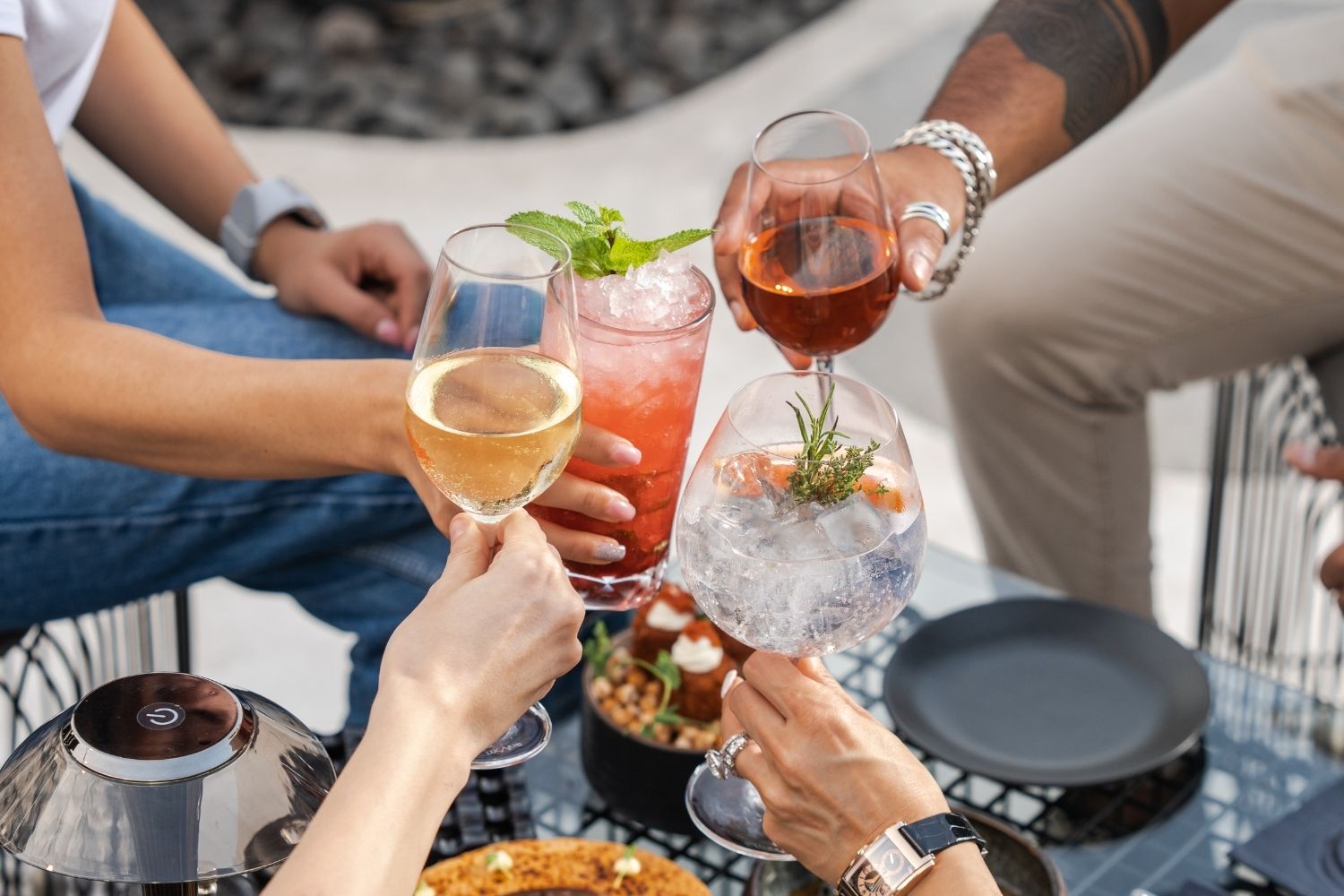
Wine is now being used in cocktail glasses. This movement, which originated with mixologists, is appealing to a new generation of connoisseurs in search of lightness and creativity. But what's behind this trend? Is it just a fad, or a revolution in the way wine is enjoyed? Let's dive into the fascinating world of wine cocktails.
Why is wine entering the world of cocktails?
The aperitif scene is changing. Consumers are looking for lighter, less alcoholic but still refined drinks. This is where wine comes into its own. From the earth, rich in aromas, wine offers a natural, subtle base for cocktails. Unlike spirits, it doesn't dominate the preparation: it balances it.
"The wine brings structure and elegance to the cocktail, without masking it," explains French mixologist Pierre Marcon, known for his "low ABV" creations.
The "low alcohol" movement is booming. Wine cocktails appeal to those who want to enjoy without excess. It's also a modern way of rediscovering wine from a different angle - fresher, more accessible, more experimental.
How mixologists reinvent wine without betraying it
Contrary to popular belief, blending wine does not alter its character. On the contrary, it can enhance it. Mixologists work with respect for the product, like a chef with his ingredients.
The art of aromatic balance
In a wine cocktail, it's all about getting it right. The wine becomes the backbone: its freshness, fruitiness or minerality dictate the recipe. The other ingredients only serve to reveal its aromas.
The choice of wine is more important than the recipe
For a successful cocktail, it's best to choose a young, fresh and expressive wine. Bright whites, light rosés and fruity reds are perfect. Woody or tannic wines, on the other hand, overpower the preparation.
Respect for the terroir
To create a wine cocktail is to honor the terroir in a different way. The aim is not to hide the wine's origin, but to magnify it through a play of textures and temperatures. A rosé from Provence, for example, retains all its typical character, even with a touch of lemon and mint.
What trends will dominate in 2025?
Creativity continues to grow in glassware. By 2025, wine has become an integral ingredient of the modern bar.
White and rosé wine cocktails
Fresh, lively and aromatic, they are the stars of summer aperitifs. A "white spritz" with Loire wine comes to mind, as does a light, floral "Sangria rosée".
The return of the bubbles
Sparkling wines seduce with their finesse. Champagne, crémants, natural pétillants or sparkling wines are perfect for Bellinis, sparkling kir or revisited Spritzs.
Modern sangrias
Goodbye to overly sweet blends! The new sangrias focus on the purity of the fruit and the freshness of the wine. They reveal natural, gourmet notes, often local.
Iced red wine
Surprising, but irresistible. Some light reds can now be enjoyed chilled, with red fruit or aromatic herbs.
| Type of wine | Aromatic profile | Trendy cocktail idea |
|---|---|---|
| Dry white wine | Fresh, citrus | Sauvignon white spritz |
| Rosé wine | Red fruits, lightness | Modern pink sangria |
| Light red wine | Black fruits, spices | Iced red punch |
| Effervescent | Fine bubbles | Sparkling Bellini |
How to create a wine cocktail at home (without a bar or shaker)
Making a wine cocktail doesn't require a shaker or professional equipment. Just common sense and the right products.
The basic principles
Choose an expressive wine. Add fresh fruit (lemon, strawberry, peach), a touch of bubbles or sparkling water, and an aromatic herb. The secret? Simplicity.
Mistakes to avoid
- Do not use an old or woody wine.
- Do not mask the wine with too much sugar or syrup.
- Do not overload with ice cubes, which dilute the aromas.
Expert tip
Always taste the wine on its own before blending. This allows you to adjust the flavors and preserve the wine's identity.
An opportunity to rediscover wine in a different way
Wine cocktails are not a betrayal: they're a rebirth. For neophytes, it's a gateway to the world of wine. For connoisseurs, it opens up a new reading of terroir. This trend reflects a profound change: wine is becoming a creative playground. It adapts to the mood of the moment, to the seasons, to light meals, without ever losing its soul. Even winegrowers are taking an interest. Some are creating cuvées designed for mixology: more aromatic, livelier, more versatile. An approach that combines know-how, modernity and pleasure.
FAQ: everything you need to know about wine cocktails
Can any wine be used for a cocktail?
No, prefer young, fruity, expressive wines.
Does wine lose its aromas when blended?
No, if the cocktail is balanced, it reveals them differently.
Do you need an expensive wine to make a good cocktail?
Not at all. A good wine for less than €15 can be ideal.
How to serve a wine cocktail?
Chilled, in a tall glass, with a few ice cubes and fruit.
Which fruits and herbs go best together?
Peach, strawberry, basil, mint or rosemary, depending on the type of wine.
Conclusion: when mixology meets the art of wine
Wine cocktails are much more than a trend: they're a new way of celebrating conviviality. It symbolizes the balance between tradition and modernity, terroir and creativity.