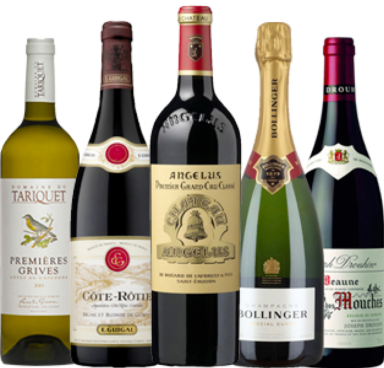
Long associated with tradition, wine is now changing its packaging. Cans, bag-in-boxes, lightweight bottles, and flexible packaging are shaking up the established norms. These alternative formats intrigue, appeal, and sometimes disturb. But let's ask the real question: is this just a marketing gimmick or a lasting trend?
Why are alternative wine formats booming today?
The success of these formats is no coincidence. It reflects a profound transformation in consumption patterns.
A very real change in usage
Wine is no longer reserved for formal meals. It now accompanies aperitifs, picnics, festivals, and trips. Consumers are looking for practical formats that are easy to transport and simple to open. The 75 cl bottle is no longer always suitable for these occasions.
New consumer expectations
Expectations have changed rapidly. Consumers want to waste less, better control their consumption, and pay a fair price. They are also more sensitive to environmental impact. Alternative formats respond precisely to these needs.
Wine in cans: serious innovation or marketing ploy?
The can is undoubtedly the most divisive format.
Real technical advantages
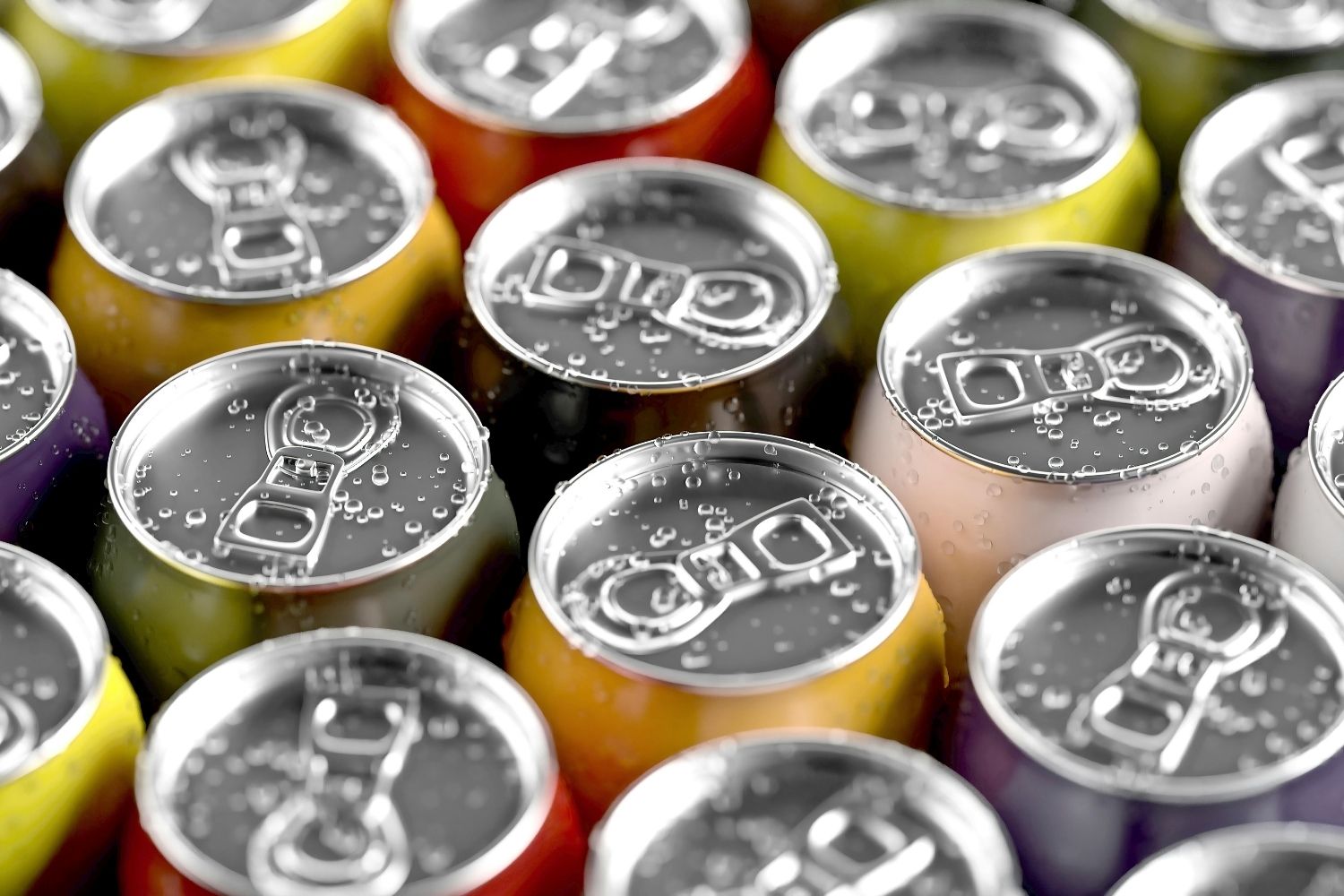
Contrary to popular belief, cans protect wine very well. Aluminum completely blocks light and limits oxidation. The reduced volume encourages controlled individual consumption. Transport is lighter, safer, and less energy-intensive. In practice, this format works well for fresh, aromatic, and accessible wines. Light whites, rosés, and reds are the most suitable.
Limitations that still exist
Cans still have a somewhat low-end image. They are not suitable for complex wines or those intended for aging. Their shelf life is shorter than that of bottles. The choice of wine is therefore crucial to avoid disappointment.
The BIB: the long-underestimated format
Bag-in-Box still suffers from an unjustified bad reputation.
Why BIB really works
From a technical standpoint, the BIB is incredibly effective. It allows for optimal preservation after opening, sometimes for several weeks. It limits contact with oxygen and greatly reduces waste. Its value for money remains unbeatable for regular consumption.
The move upmarket is real
Many winemakers now offer high-quality boxed wines, such as Uby. Selections by grape variety, terroir, or style are clearly indicated. In certain segments, the quality is equivalent to that of a traditional bottle.
Other alternative formats to watch out for
The market doesn't stop at cans and bag-in-box packaging. Lighter bottles reduce carbon footprint without changing usage. Recycled PET is gaining ground in entry-level wines. Flexible pouches are appealing for events and outdoor activities. Each of these solutions meets specific needs.
Comparison table of the main wine formats
| Criteria | Bottle | Canette | BIB |
|---|---|---|---|
| Premium image | High | Low to medium | Average |
| Practicality | Average | Very high | High |
| Storage after opening | Low | Low | Very high |
| Environmental impact | High | Moderate | Low |
| Ideal use | Meals, childcare | Nomad, aperitif | Daily |
Environmental impact: myth or real progress?
The environmental argument is often put forward. But does it need to be qualified? Glass is heavy to produce and transport. Aluminum is highly recyclable and lightweight. The BIB combines cardboard and plastic, with an excellent transport record. In most cases, alternative formats have a better carbon footprint. Provided that the wine is actually suitable for its intended use.
What wine professionals think
On the ground, opinions are more nuanced than in marketing speeches. Wine merchants are seeing growing demand for cans, especially among young people. Restaurateurs appreciate BIBs for certain glass-by-glass services. Winemakers see them as a complementary tool, not a replacement. The consensus is clear: the format does not make the wine, but it does influence the experience.
Gadget or real trend? My expert analysis
Alternative formats will not replace bottles. But they will not disappear either. They are becoming established for specific uses:
- Mobile consumption
- Informal moments
- Regular consumption
- Waste reduction
Serious, coherent, and well-positioned projects will succeed. Simple marketing stunts will quickly fail.
How to choose the right format for your needs?
For a picnic or festival, cans are ideal. For everyday consumption, bag-in-box packaging is unbeatable. For a gourmet meal, bottles remain essential. The right choice always depends on the context, never on snobbery.
FAQ: Frequently asked questions
Is canned wine good quality?
Yes, if the wine is suitable for the format.
Can wine be stored in cans?
No, it is designed to be drunk quickly.
Is BIB reserved for low-end wines?
Absolutely not, the move upmarket is real.
What these new formats really say about the future of wine
Wines in cans, bag-in-boxes, and alternative formats are not gimmicks. They respond to new uses and new expectations. When well designed, they enrich the world of wine rather than detracting from it. The real issue is not the container, but the harmony between the wine, the format, and the moment of consumption.