The Rhône wine market is undergoing a period of profound transformation. Faced with declining volumes, sustainability concerns, and changing tastes, industry stakeholders must adapt quickly. This article analyzes the major trends shaping the future of Rhône wines in 2026.
A market focused on quality, not volume
Wine production in the Rhône Valley is declining significantly. For the 2025 vintage, the harvest is estimated at approximately 2 million hectoliters, a decrease of about 7% compared to the previous year. This decline is more pronounced in the northern wines (-17%) and outside the Côtes-du-Rhône region (-9%).
Volumes are declining, but priority is given to the quality of the grapes and wines—a direct response to global demand, which now places a premium on excellence.
The export market is readjusting
French wines are facing a more challenging export environment, particularly given the overall decline in the value of French wine exports. In 2024, French wine exports were valued at 10.9 billion euros, a slight decrease, mainly due to a decline in certain key markets such as China.
Sustainability and organic products: key growth areas
A significant portion of the Rhône Valley’s wine production employs sustainable practices: approximately 25% of the total wine produced is certified organic, and 63% of AOC wines hold environmental certification (organic or HVE).
To provide financial support for these commitments, the industry association recently proposed reference prices for organic wines. For example, for organic red Côtes-du-Rhône Villages wines, a suggested price of €200 per hectoliter was proposed to ensure a fair income for producers.
This trend confirms that consumers, particularly in export markets, are placing increasing value on sustainable wines.
Premiumization: The Future of the Rhône Lies in Value
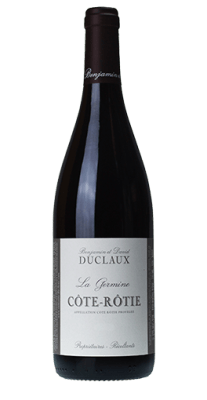
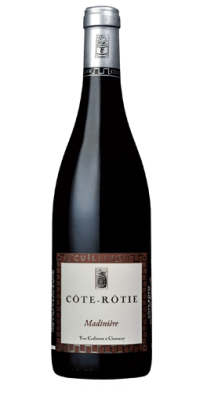
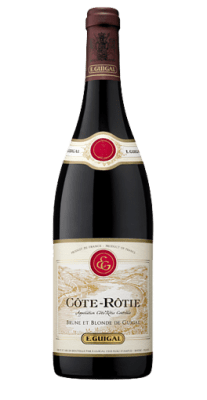
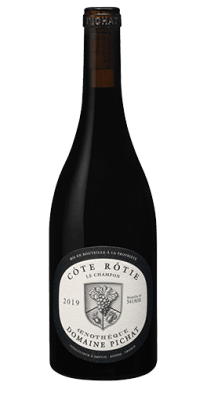
Faced with increased global competition, the Rhône wine market is focusing on moving upmarket. More prestigious appellations, such as Hermitage and Côte-Rôtie, continue to attract collectors and foreign markets with their rich, full-bodied wines.
Although some secondary market data indicate a decline in the average price of Rhône wines on the market in the first half of 2025, this drop in volume primarily affects less well-known wines.
This means that premium wines and renowned terroirs continue to drive market value, despite an overall decline in transactions.
Consumer behavior is changing
Wine consumption in France has been declining for decades, a well-documented trend. For example, younger generations drink far less red wine than they used to.
In the Rhône region, this means:
- A decline in sales volume in the mass retail sector, despite outperforming some other regions
- Stronger growth in white wines, even though they remain in the minority compared to reds
- Increased demand for fresher or lighter flavor profiles
This shift paves the way for new styles of Rhône wines, particularly among whites and rosés, as well as wines with innovative styles.
Organic and specialty markets: demand is on the rise
Sales of organic wine in France are growing steadily. In 2024, they reached approximately 1.878 billion euros, up 7% from 2023.
This growth is evident among wine merchants, in the hospitality sector (cafés, hotels, and restaurants), in direct sales, and in exports, although it is being held back in the mass retail sector.
This trend confirms that consumers are increasingly seeking out responsible, high-quality wines, which benefits the Rhône region, which is committed to sustainable practices.
Outlook for the Rhône Wine Market
By 2026, several major trends will have emerged:
Market diversification
Greater focus on European and North American markets to offset volatility in traditional markets.
Focus on white wines and modern styles
A trend toward exploring new segments (more aromatic whites, full-bodied rosés).
Sustainable strategies as a differentiating factor
Environmental certifications are becoming indicators of value.
Increased premiumization
Premium wines will continue to drive growth in exports and specialty markets.
Conclusion
The Rhône wine market in 2026 is characterized by a dual focus on quality and quantity: less wine is produced, but the wines are of higher quality and more sustainable. Sustainability, premiumization, and adaptation to changing consumer behaviors are the main drivers.
For both winemakers and buyers, these trends reflect a more discerning demand and a growing appreciation for wines that tell a story, reflect a terroir, and embody sustainable winemaking practices.