Introduction
The world of wine is entering an era of unprecedented transformation. By 2026, the wines of the future will no longer simply reflect the terroir: they will incorporate technology, sustainability, and sensory innovation at every stage of production. Curious enthusiasts and industry professionals are wondering: what changes will affect vineyards, cellars, and tasting? This article takes stock of the major oenological innovations to watch in 2026, synthesizing research, field experiments, and emerging trends.
Why talk about the wines of the future in 2026?
Questions asked by amateurs and professionals
The wine industry is facing several challenges: climate change, pressure on production costs, and growing consumer demands. Readers often ask themselves:
- How will grape varieties adapt to the climate?
- Can technology improve quality without altering the character of wine?
- What investments are needed to remain competitive?
Strong signals
Innovations observed in France and internationally show that 2026 could be a pivotal year. Connected sensors, data-driven fermentation, and precision yeasts are all signs that point to a profound change.
Technological innovations transforming winemaking
Artificial intelligence at the service of vineyards
AI can now predict diseases, optimize irrigation, and improve yields. Some French vineyards are testing models capable of recommending the ideal harvest date or preventing mildew attacks with unprecedented accuracy.
Sensors and digital twins of plots
Thanks to IoT sensors, each plot can be monitored in real time. Soil moisture, temperature, and nutrition are analyzed via digital twins, simulating several scenarios before a decision is made.
Data-driven fermentation
In the cellar, micro-management of fermentation becomes possible. Winemakers control temperature, oxygen, and yeast to create specific aromatic profiles. Tasters are already noticing the difference in test wines, which are more balanced and stable.
Sustainable innovations: towards more resilient wines
New generation of resistant grape varieties
In response to climate change, new grape varieties resistant to disease and drought are emerging: Voltis, Floreal, and Souvignier Gris. These varieties make it possible to produce high-quality wines while reducing the use of pesticides.
Eco-friendly winemaking and reducing carbon footprint
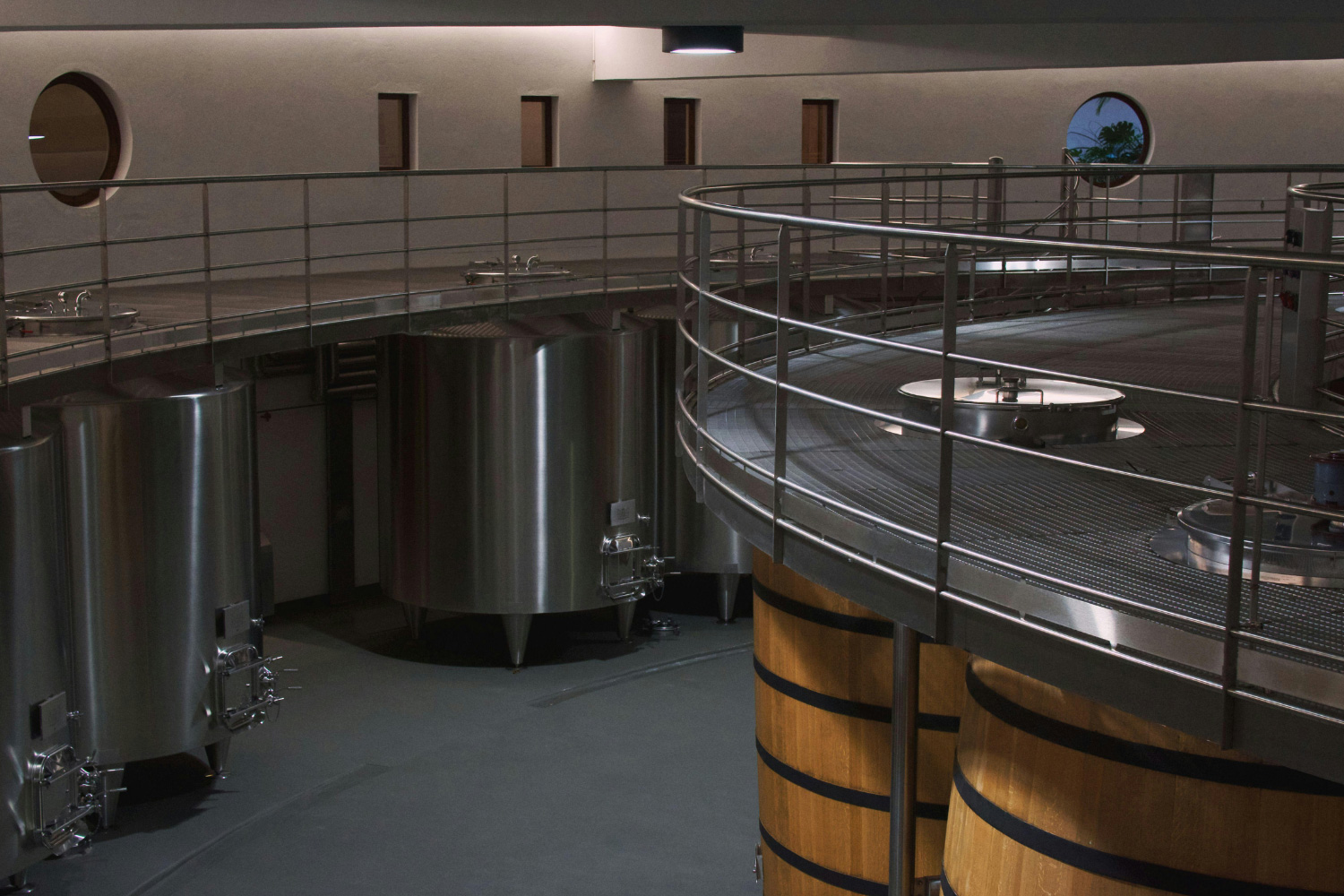
Wineries are adopting renewable energy sources, gravity-fed systems to limit pumping, and lighter packaging. These practices significantly reduce a winery's carbon footprint.
Capture of fermentation CO₂
Some experiments aim to capture the CO₂ produced during fermentation, transforming a greenhouse gas into a resource for other uses.
The future of taste: how technology influences flavor profiles
Precision yeasts
Selected yeasts generate targeted aromas and improve the digestibility of wine. This innovation paves the way for more accessible wines without sacrificing complexity.
Gentle extractions and intelligent micro-oxygenation
Extraction techniques preserve the fruity and floral notes. Sensor-assisted micro-oxygenation ensures optimal aromatic maturation.
Recommended insert: quote from a renowned oenologist on the sensory impact of new technologies.
The tasting experience in 2026
Connected glasses and real-time analysis
Some glasses incorporate sensors that measure aromatic compounds and provide wine pairing recommendations on smartphones.
Immersive virtual reality tastings
Tasters can take a virtual tour of the estate, follow the winemaking process, and interact with the winery before even opening a bottle.
AI food and wine pairing advisor
Some apps use AI to suggest personalized pairings based on your preferences and the chemical composition of the wine.
Suggested video: demonstration of connected glass and mobile interface.
Distribution and market: how the wines of the future will be sold
Blockchain and traceability
Each bottle can be traced from the vineyard to your glass, guaranteeing authenticity and safety. This boosts consumer confidence and combats fraud.
Augmented wine market
Some vintages use blockchain and NFTs to create limited digital editions linked to physical bottles.
How these innovations are changing things for winemakers
Winemakers must invest in technology, anticipate costs, and train their teams. But the benefits are real: improved quality, control over their ecological footprint, and access to new markets. Pioneering estates are showing that a gradual transition is possible.
FAQ: The wines of the future in 2026
What is an augmented wine?
A wine created or optimized using technologies (AI, specific yeasts, sensors).
Will they be more expensive?
The initial costs may be higher, but the quality and durability make up for it.
Does technology alter the character of wine?
No, if it is used to guide the winemaking process, not to replace it.
Conclusion
In 2026, the wines of the future will combine innovation, sustainability, and sensory expertise. Wineries that adopt these technologies will remain competitive and offer consumers unique experiences.