Climate change is already shaking up viticulture worldwide and in France. Discover how heat, drought and extreme phenomena are altering grapes, aromas and the balance of wines. This comprehensive guide will help you understand what's at stake and anticipate the future of your favorite bottles.
Temperature trends and grape maturity
Higher temperatures accelerate ripening, influencing sugar, acidity and aromas. Northern regions become more conducive to Pinot Noir and Chardonnay, while some southern regions see their yields drop due to excessive heat.
Droughts and water stress
Impact on growth
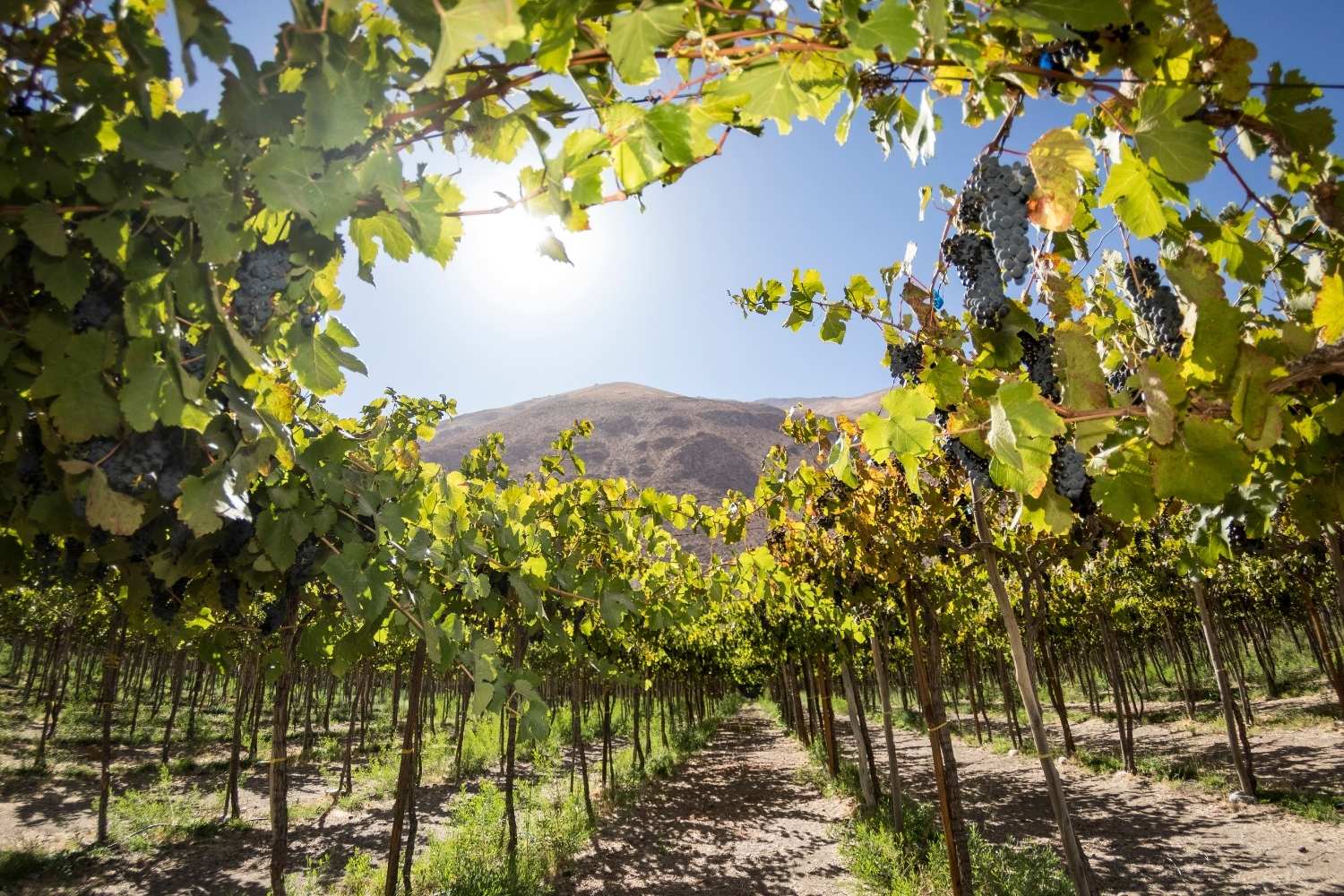
When the vine lacks water, it concentrates its energy on the bunches. The result? Smaller grapes with remarkable aromatic intensity. This natural constraint produces wines with an assertive personality, richness of flavor and depth that appeal to discerning connoisseurs. Far from diminishing quality, this phenomenon creates unique cuvées, marked by concentration and the authentic expression of terroir.
Solutions for winegrowers
- Soil cover techniques to limit evaporation
- Reasoned and targeted irrigation
- Selecting drought-resistant grape varieties
Extreme weather events
Episodes of rain, wind or even hail are a reminder of the power of nature and the resilience of winegrowers. Each vintage becomes a true story, shaped by these climatic challenges. Winegrowers redouble their attention and innovation to protect their vines, which translates into an even more rigorous selection of grapes. The result: rare wines of unique authenticity, bearing the signature of a living terroir and passionate know-how. These sometimes extreme conditions create cuvées of character, sought after by connoisseurs in search of true emotions.
Impact on grape varieties and aromas
| Grape variety | Effect of global warming | An asset for the taster |
|---|---|---|
| Pinot Noir & Chardonnay | Slightly modified acidity, greater sensitivity to variations | Rounder, more generous wines with a new complexity |
| Merlot & Syrah | Faster ripening, concentrated aromas | Enhanced aromatic intensity, powerful, expressive wines |
| Gamay | More fruity, risks losing a little finesse | Gourmet vintages, full of freshness and immediate pleasure |
Innovations and adaptation by winegrowers
Faced with global warming, France's winegrowers are innovating rather than simply reacting. Each vintage becomes an opportunity to rethink their methods and preserve the identity of their wines while responding to new climatic conditions.
- Heat- and disease-resistant varieties: many estates are experimenting with varieties that are better adapted to high temperatures, such as Touriga Nacional or new hybrids. These trials guarantee balanced, long-lasting wines, even during heatwaves.
- Innovative cultivation practices: winegrowers play with vine pruning,row orientation andnatural shading using plant cover. These techniques aim to protect the grapes from excessive sun and keep the soil alive.
- Adapted winemaking techniques: faced with grapes richer in sugar, wineries are exploring methods that favor freshness andbalance, such as shorter macerations, ageing in alternative containers (amphorae, concrete vats), or the reasoned use of wood.
"Climate change is the major challenge facing viticulture in the 21st century, but it's also driving innovation." - Hervé Quénol, climatologist specializing in vineyard studies
Tips for wine lovers
- Taste young wines: enjoy the freshness and fruitiness of new vintages.
- Reserve the grands crus: follow their evolution in the cellar to discover complex aromas.
- Explore new grape varieties: discover unique wines adapted to today's climatic conditions.
- Adapting pairings and seasons: fully reveal the aromatic potential of wines according to their maturity and terroir.
Climate change: towards wines for the future
Climate change is transforming wines and vines, requiring adaptations to preserve quality and diversity. Enthusiasts and winegrowers alike can anticipate these changes through innovation, grape selection and reasoned practices. Discover our selections of wines adapted to this new climate and explore new aromatic profiles.