Bouillabaisse: a comprehensive guide to food and wine pairings
399
When preparing or enjoying bouillabaisse, the question of the ideal wine immediately arises, as this dish, rich in fish, shellfish, and herbs, requires an accompaniment capable of enhancing its flavors without overpowering them.
Choosing a wine to accompany bouillabaisse may seem complicated, but with a few simple principles and a good understanding of the dish, it becomes easy to create harmonious pairings that enhance the entire meal.
In this article, you will discover the characteristics of bouillabaisse, the essential principles for choosing wine, specific recommendations according to the types of fish and shellfish, a handy comparison table, and expert advice for successful pairings.
Understanding bouillabaisse and its flavors
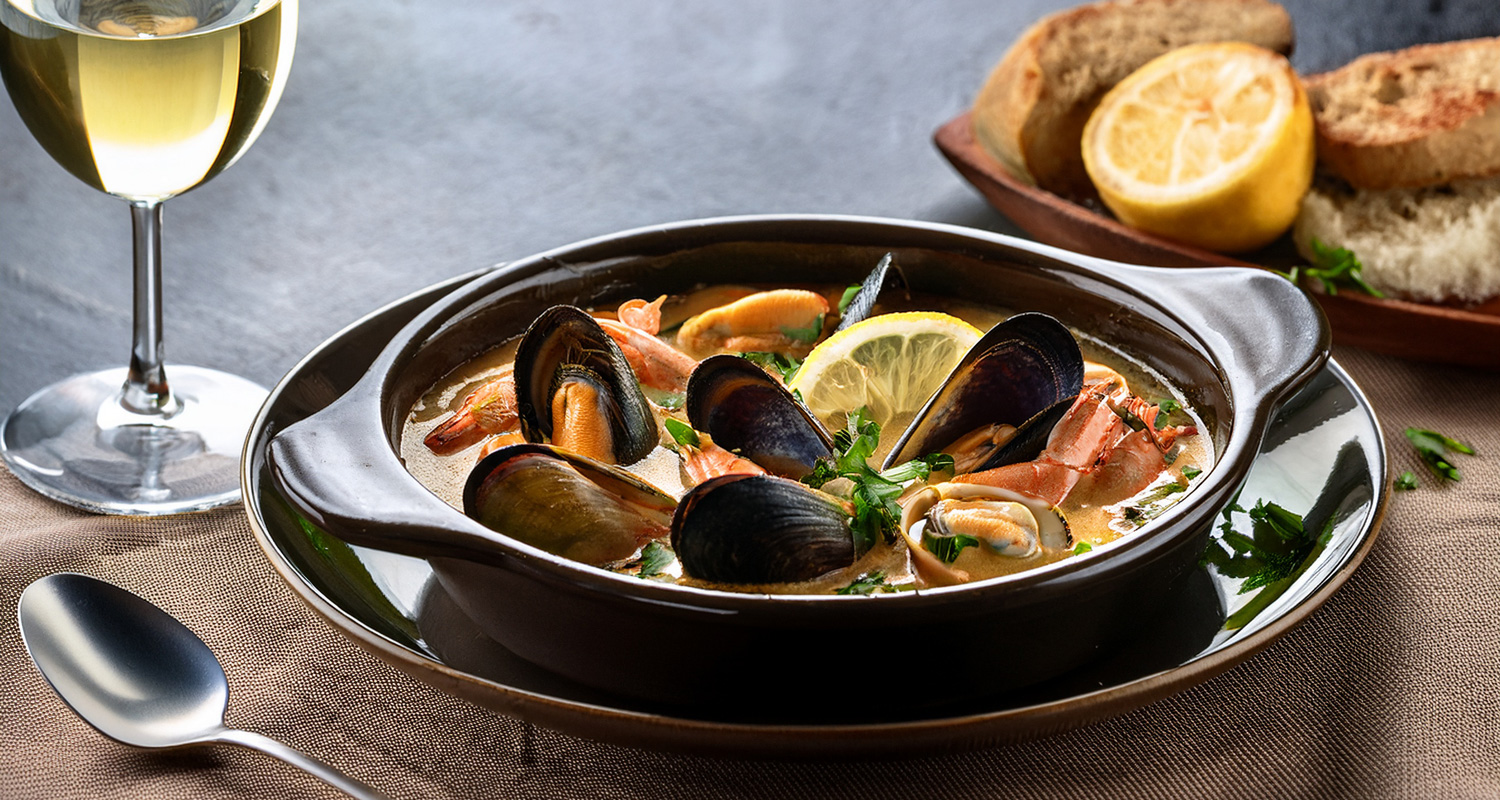
Bouillabaisse is an iconic dish from Marseille, traditionally made with rockfish such as red mullet, scorpion fish, or conger eel, along with shellfish, mussels, tomatoes, garlic, fennel, and a touch of saffron.
Its aromatic profiles are rich and varied, combining salty flavors, herbaceous notes, and delicate spices, with a concentrated and fragrant broth. Depending on regional or family variations, the composition may differ slightly, with some recipes incorporating more white or red fish, or adjusting the level of spices and saffron.
A good understanding of the ingredients and their aromatic intensity is essential for selecting a wine that will pair harmoniously with them. The infographic below can help visualize the typical composition and aromatic profiles of this Mediterranean dish.
The basic principles for pairing wine with bouillabaisse
Pairing wine with bouillabaisse involves a few simple but crucial rules. The wine must respect the balance of flavors, meaning it should neither overwhelm the delicate taste of the fish nor be dominated by the saffron-infused broth.
It is also important to choose a wine that suits the texture and body of the dish, as a more liquid broth or a denser dish requires different choices to avoid disharmony.
Acidity plays a key role in these pairings, as it counterbalances the richness and aromatic power of bouillabaisse while adding a sensation of freshness and tension on the palate. By applying these principles, it becomes easier to select a white, rosé, or red wine that will enhance each component of the dish.
With bouillabaisse made with red mullet or scorpion fish
Gentleness and harmony
Sparkling wine
High minerality
As an appetizer or festive variation
Brilliance and lightness
Recommendations according to fish and shellfish
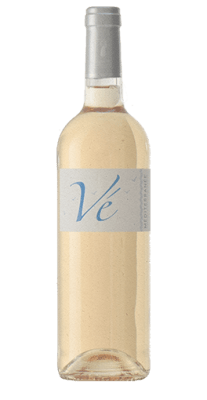
The different types of fish and shellfish in bouillabaisse greatly influence the choice of wine. White fish, such as conger eel or cod, generally require a lively, aromatic white wine that will highlight their delicacy without masking their salty taste.
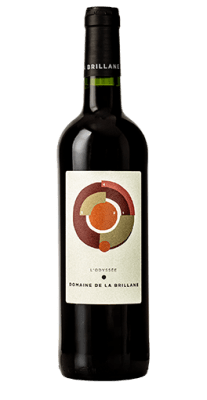
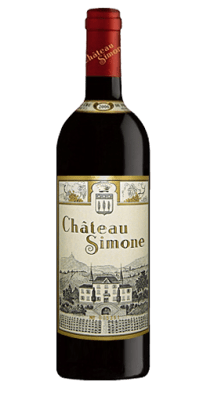
Red fish, such as red mullet or scorpion fish, can tolerate a light, fruity red wine with low tannins, which can accompany the firmer flesh without creating an unpleasant contrast.
As for shellfish and crustaceans, such as mussels, shrimp, or crab, they pair perfectly with mineral and aromatic white wines that highlight their delicate texture and rich broth.
Finally, the influence of saffron and spices in the broth requires a wine with sufficient acidity and freshness to balance the aromatic power, so that neither the wine nor the dish dominates the other.
For the perfect pairing, it is advisable to serve the wine slightly chilled to counterbalance the richness of the broth and the fish. It is also preferable to prepare the wine before serving to allow it to breathe and fully express its aromas.
The tasting should ideally be done in stages, starting with the broth, then the fish, and finally the shellfish, to appreciate how the wine interacts with each element of the dish. Finally, don't hesitate to offer a second wine, such as a light red or a sparkling wine, if the dish includes a variety of fish and flavors, to ensure the best possible pairing with each bite.
FAQ: Frequently asked questions about bouillabaisse and wine
Can red wine be paired with bouillabaisse?
Yes, but only light and low in tannins, so as not to overpower the delicate flavors of the fish.
Is rosé wine suitable for all bouillabaisses?
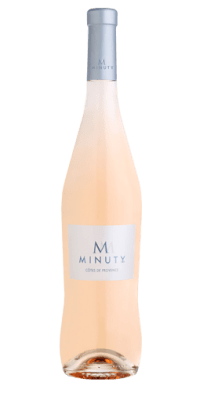
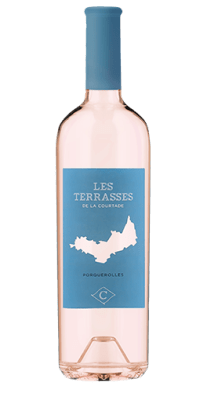
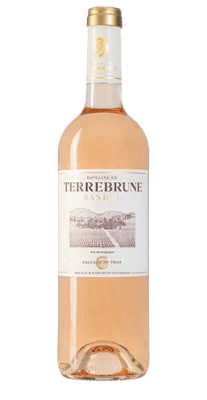
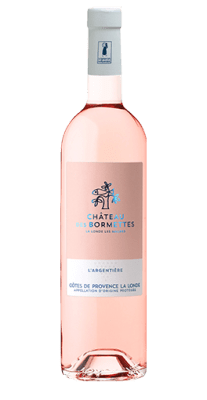
Light, aromatic rosés are best suited to milder bouillabaisses with less saffron.
Can sparkling wine be paired with the dish?
Yes, as an aperitif or for a festive twist, a sparkling wine brings lightness and minerality.
Conclusion
The choice of wine to accompany bouillabaisse is based on respecting the balance between the salty flavors, spices, and richness of the broth.
Dry, aromatic white wines, light rosés, and certain low-tannin reds are the best accompaniments, while sparkling wines can add freshness and lightness to festive meals.
Understanding the composition of the dish, identifying the dominant ingredients, and applying the basic principles of food and wine pairing allows you to enhance every bite and transform a simple meal into a gastronomic experience.
Experiment, adapt the wine to the recipe, and feel free to share your favorite pairings to enrich the sensory experience of bouillabaisse.